TEETH - STRAIGHTENING TREATMENT
SERVICES
RESOURCES
SHOP
MEDICAL CERTIFICATIONS
Certifications ensuring safety, quality, and compliance with global standards.

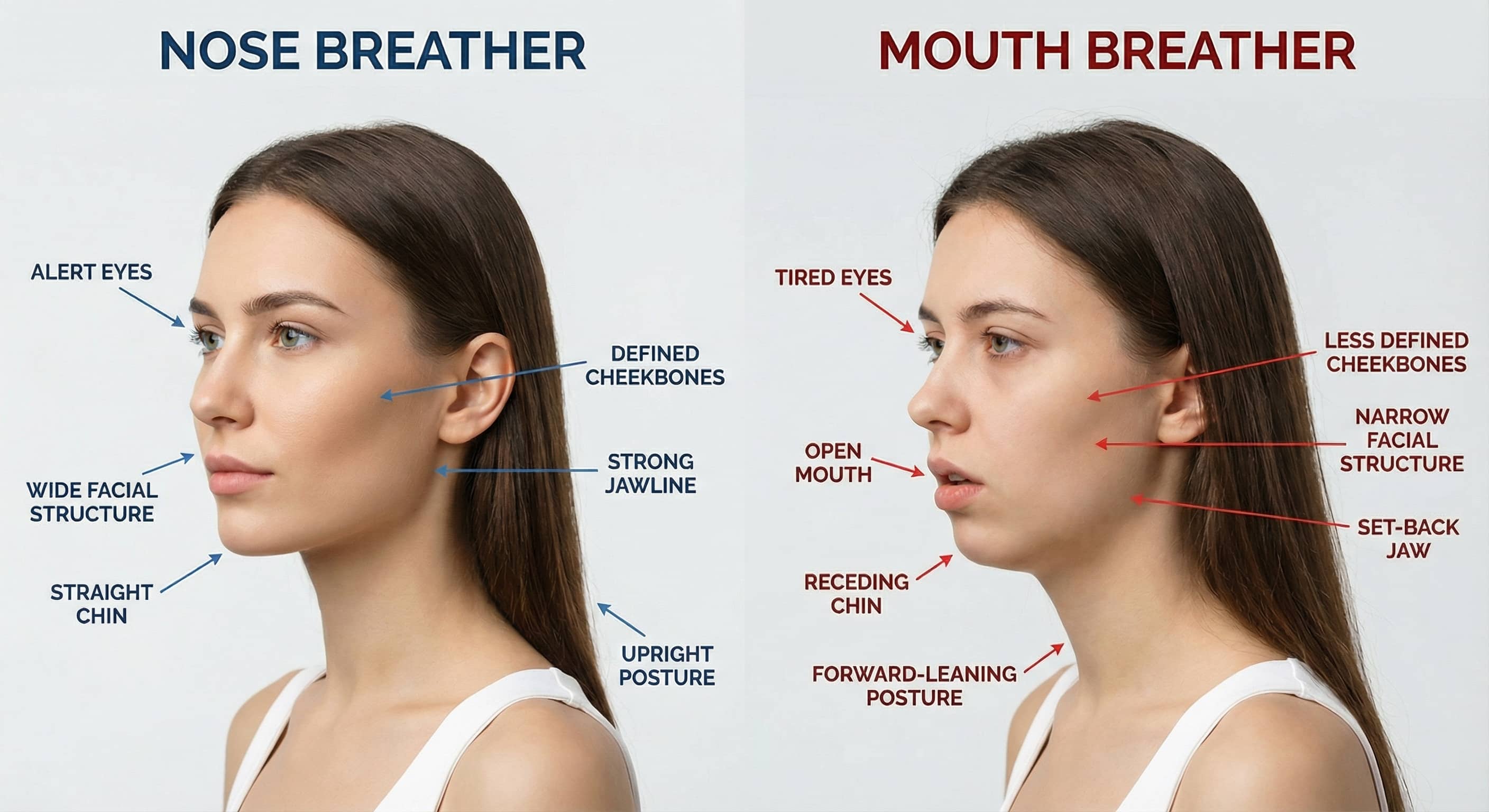
Mouth breathing is more common than people think, and many don’t realise they’re doing it, especially while sleeping. Whether you’ve noticed yourself sleeping with your mouth open, experiencing a dry throat in the morning, or struggling to keep your mouth closed while sleeping, understanding the cause is the first step to fixing it.
In this guide, we’ll explain why breathing through the mouth happens, the long-term mouth breathing effects, and proven ways to stop mouth breathing, both during the day and at night.

Mouth breathing simply means relying on the mouth instead of the nose for airflow. While it might seem harmless, it affects sleep quality, oral health, and even facial development in children. Many people don’t realise they engage in mouth breathing during sleep, which is why sleeping with the mouth open is one of the most common symptoms.
Understanding what’s causing the issue will help you prevent mouth breathing effectively. Common causes include:
If untreated, mouth breathing can turn chronic and disrupt normal nasal function.
Mouth breathing may feel like a small issue, but its effects build up over time. The major impact includes:
People often ask, “How do I stop mouth breathing?” especially if they’ve become aware of it during daily activities. Here are the most effective ways:

Many people unconsciously breathe through their mouths at night. If you’re constantly googling how to sleep with your mouth closed or how to stop breathing from your mouth while sleeping, these methods help:
Sleeping on your back increases the chance of your jaw dropping open. Side sleeping supports better nasal airflow and helps keep the mouth closed.
These lift the nasal passages, allowing more air through the nose.
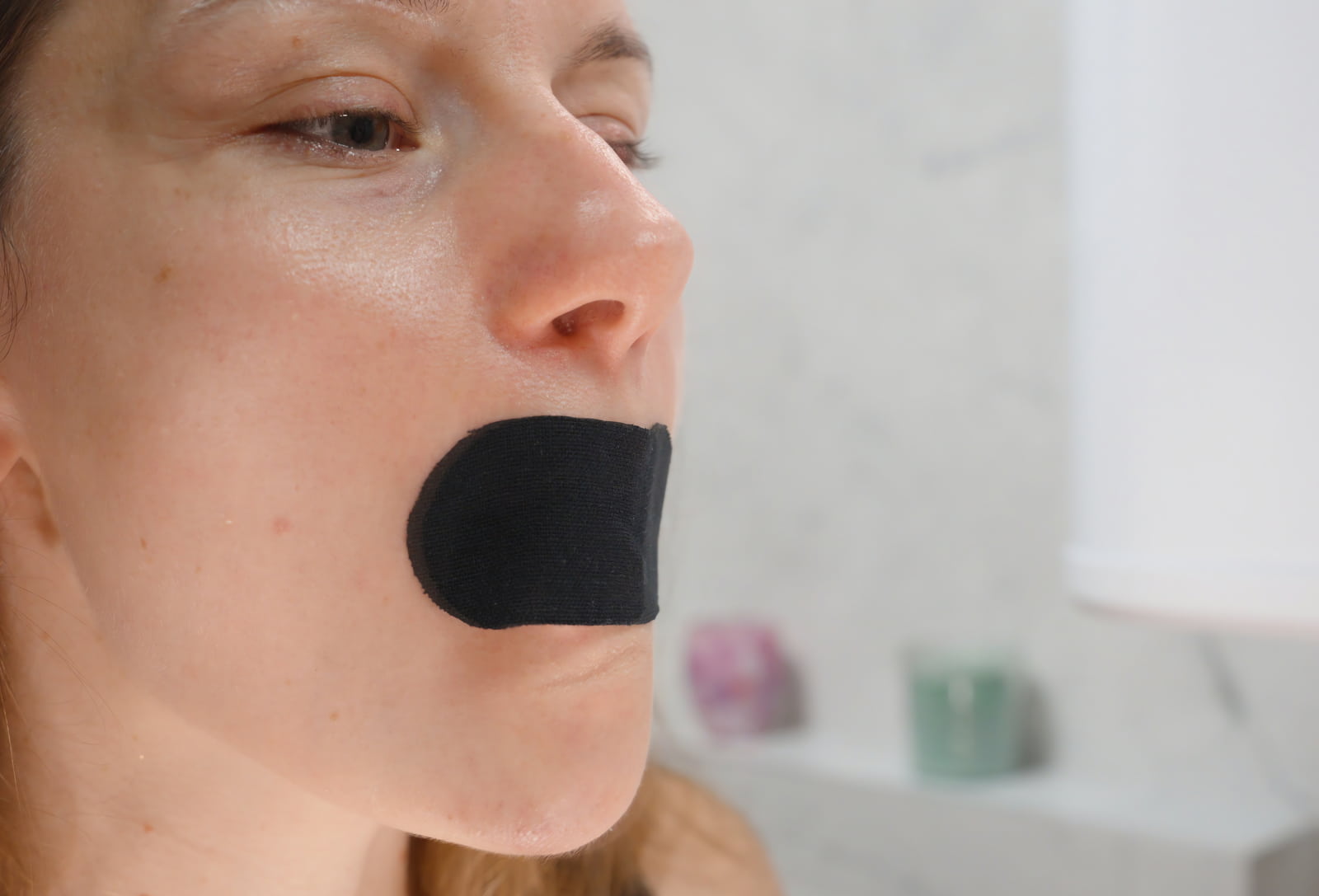
This gently encourages nasal breathing by keeping the lips closed. It doesn’t force the mouth to stay shut, but instead trains the body to use the nose.
Raising your head slightly can reduce airway collapse and improve breathing.
Exercises such as tongue, jaw, and throat exercises enhance airway stability, allowing for easier maintenance of nasal breathing even during sleep.
If you experience persistent mouth breathing, snoring, or struggle to breathe through your nose even when you’re awake, it may indicate:
Healthy breathing habits are essential for maintaining good oral health and supporting proper jaw development. If you’ve noticed signs of mouth breathing, especially during sleep, addressing it early can help prevent dental issues, bite problems, and ongoing sleep disruptions.
A professional assessment can determine whether your airway, bite, or jaw alignment is contributing to the issue and guide you toward the most suitable treatment. Reach out to us today for a personalised evaluation and care plan.
Get a smile consultation today to explore more about your teeth straightening options and begin your smile improvement journey.
How Long Do Clear Aligners Really Take? One of the most common questions people ask before exploring clear aligner options ...
28 May 2026
Founded in Singapore in 2020, Dr Clear Aligners is a Singapore-founded orthodontic technology company focused on digital smile solutions and ...
19 May 2026
Dr Clear Aligners (DCA) recently hosted its Awards Night 2026 in Kuala Lumpur, bringing together dental professionals across Southeast Asia ...
12 May 2026
See the World with Atome – Enjoy Exclusive Savings This May Planning your next step towards a confident smile? This ...
5 May 2026
Diploma Graduation: The Start of Something New Graduating with a diploma is a major milestone — but more importantly, it ...
29 April 2026