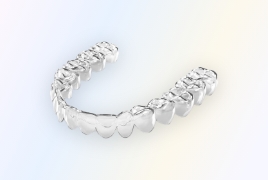
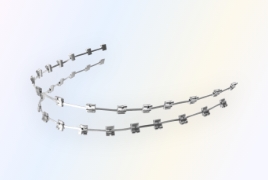
Completing your clear aligner journey is an exciting milestone. After wearing your aligners consistently, seeing your new smile can feel like the final step.
However, your aligner journey does not usually end the moment you finish your last aligner. To help maintain your teeth position, retainers are usually needed after clear aligners.
This guide explains why retainers matter, how they help reduce the chance of teeth shifting back, and what to know after completing your clear aligner journey.
Why Are Retainers Needed After Clear Aligners?
Clear aligners work by gradually moving your teeth into a planned position. Once your teeth have moved, the surrounding gum tissue, bone, and ligaments need time to stabilise.
Without a retainer, teeth may gradually shift back towards their previous position. This is commonly known as relapse.
Retainers help hold your teeth in their new position after your clear aligner journey. They play an important role in protecting the progress you have made and supporting long-term smile maintenance.
Planning Your Clear Aligner Journey?
Explore whether clear aligners may suit your teeth condition, lifestyle, and smile goals through a quick Smile Quiz.
Start Your Smile Quiz
What Happens After Your Final Aligner?
After completing your final aligner, your dental provider will usually review your teeth position and advise on the next step.
Depending on your case, this may include:
- Checking whether your teeth have reached the planned position
- Reviewing your bite and alignment
- Taking a new scan or impression if needed
- Preparing your retainers
- Explaining how often you should wear them
Your retainer instructions may vary depending on your teeth condition, aligner progress, and professional recommendation.
How Do Retainers Help Maintain Your Smile?
Retainers are designed to keep your teeth in position after clear aligner treatment. They help reduce unwanted movement while your teeth and supporting structures settle into their new alignment.
Even after treatment is completed, natural teeth movement can still happen over time due to daily chewing, ageing, oral habits, and bite forces.
This is why retainers are not just an optional add-on. They are an important part of your overall teeth-straightening journey.
How Long Do You Need to Wear Retainers?
The retainer-wearing schedule depends on your individual case and your dental provider’s instructions.
Some patients may be advised to wear retainers more frequently at the beginning, before gradually moving to night-time wear. Others may need a different schedule based on their teeth condition and risk of relapse.
It is important to follow the recommended wearing routine because inconsistent retainer wear may allow teeth to shift.
What Happens If You Do Not Wear Your Retainer?
If you stop wearing your retainer, your teeth may slowly move out of position. This can happen gradually, and you may not notice the changes immediately.
Possible signs that your teeth have shifted include:
- Your retainer feels tight
- Your retainer no longer fits properly
- Your teeth look slightly more crowded
- Small gaps start to appear again
- Your bite feels different
If your retainer feels unusually tight or does not fit, avoid forcing it into place. Contact your dental provider for advice before continuing to wear it.
Types of Retainers After Clear Aligners
There are different types of retainers that may be used after clear aligner treatment. The suitable option depends on your teeth condition, treatment progress, bite, oral hygiene routine, and your dental provider’s recommendation.
Clear Removable Retainers
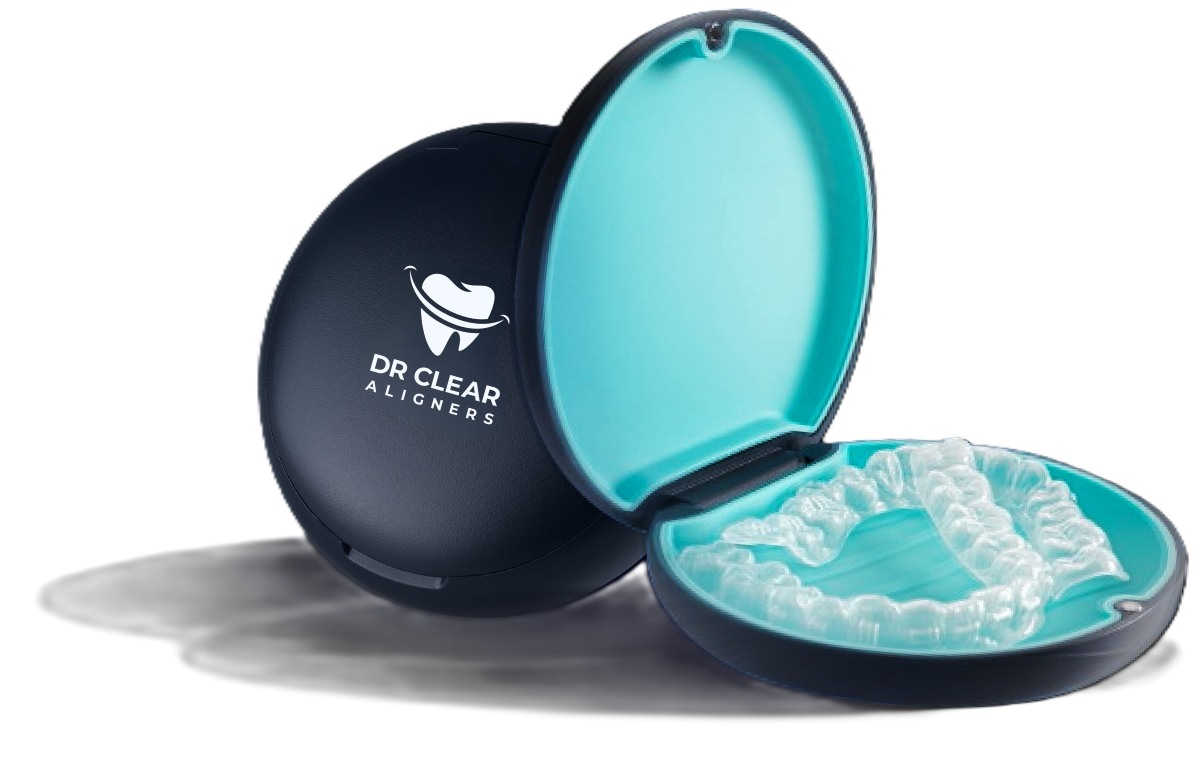
Clear removable retainers look similar to clear aligners. They are usually transparent and custom-made to fit over your teeth after treatment.
This type of retainer is commonly used because it is discreet, removable, and easy to include as part of a night-time routine. Since it can be taken out, it is also easier to clean compared to fixed retainers.
However, clear removable retainers need to be worn as advised. If they are not worn consistently, teeth may gradually shift out of position.
Hawley Retainers
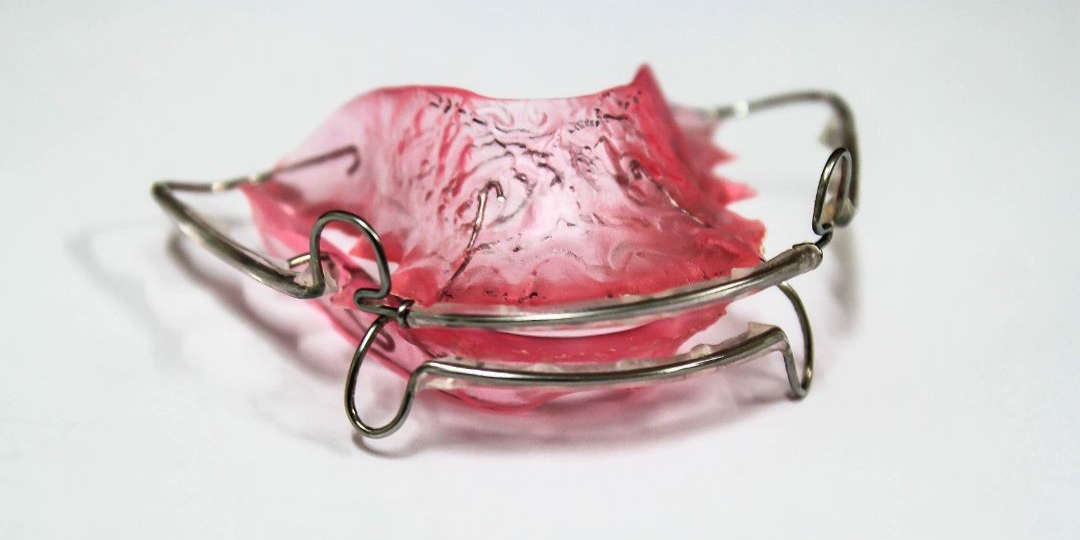
A Hawley retainer is a removable retainer that usually includes an acrylic plate and a wire across the teeth.
It is custom-made to fit your mouth and helps hold your teeth in position after clear aligner treatment. Since it is removable, it should be taken out when eating and cleaned regularly according to your dental provider’s instructions.
Some patients may prefer clear removable retainers because they look more discreet, while Hawley retainers may be discussed depending on the case and clinical recommendation.
Fixed Retainers
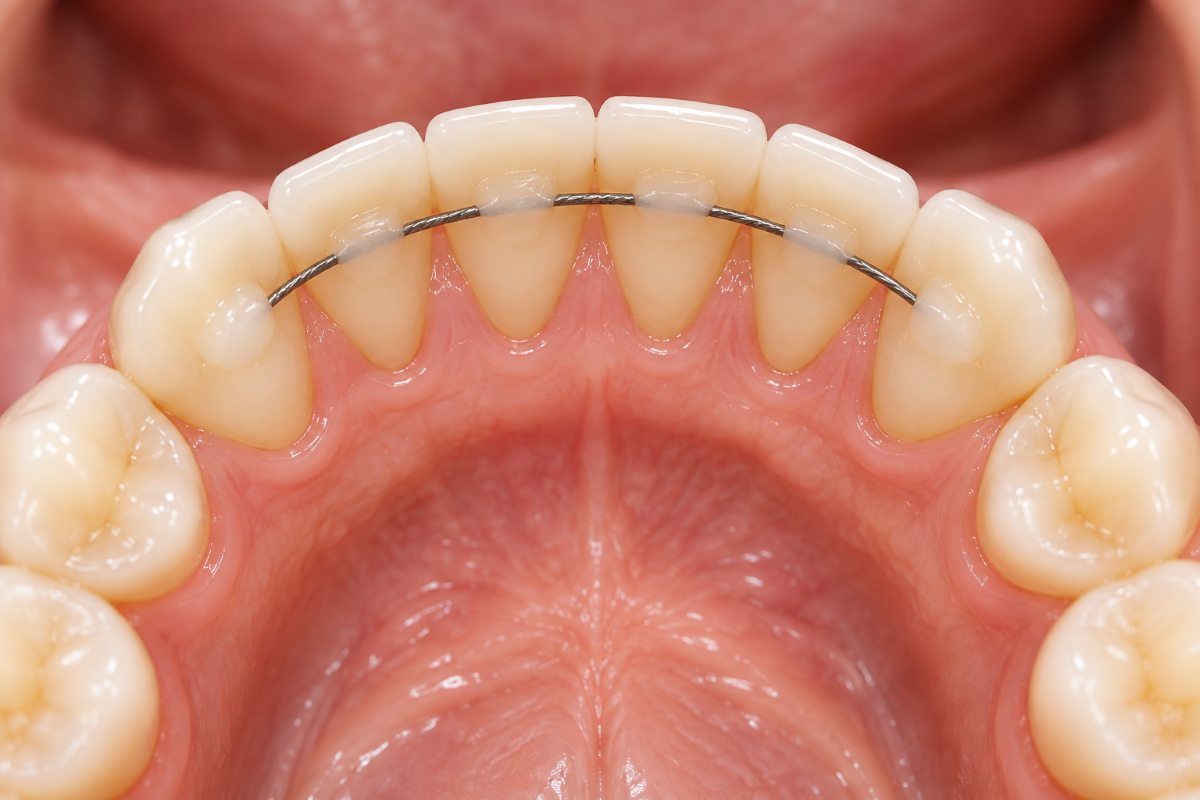
A fixed retainer is a thin wire attached behind the teeth, usually on the front teeth. Unlike clear removable retainers and Hawley retainers, it is not removed by the patient.
Fixed retainers may be recommended for selected cases where additional support is needed to help maintain tooth position. However, they require careful cleaning around the wire to reduce plaque build-up and maintain oral hygiene.
Your dental provider will advise whether a fixed retainer, removable retainer, or a combination of retainer types may be suitable for your case.
Which Retainer Type Is Better?
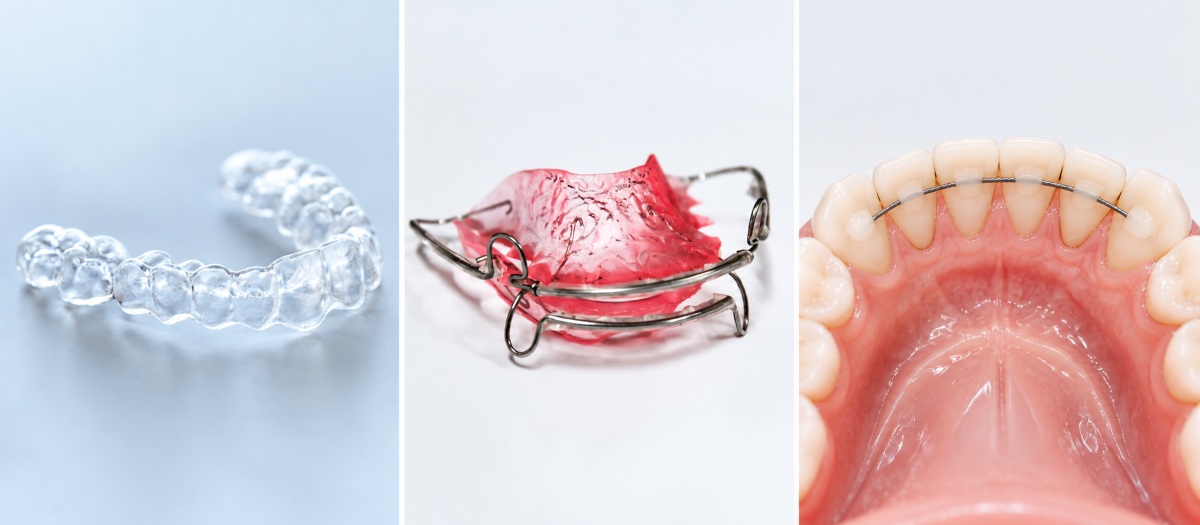
There is no single best retainer for everyone. Each retainer type has its own benefits and care requirements.
Clear removable retainers may suit patients who prefer a discreet and removable option. Hawley retainers may be considered in selected cases, while fixed retainers may be recommended when continuous retention support is needed.
The most suitable retainer depends on your teeth condition, bite, treatment history, lifestyle, oral hygiene routine, and professional advice.
Thinking About Clear Aligners and Aftercare?
Explore whether clear aligners may suit your smile goals and learn how retainers support long-term smile maintenance.
Start Your Smile Quiz
How to Care for Your Retainer
Proper retainer care helps keep your retainer clean, comfortable, and suitable for regular use.
Here are some simple retainer care tips:
- Rinse your retainer after removing it
- Clean it gently as advised by your dental provider
- Store it in its case when not in use
- Avoid wrapping it in tissue, as it may be accidentally thrown away
- Keep it away from hot water or heat
- Avoid eating while wearing removable retainers
- Bring your retainer to dental reviews if advised
Retainers can become damaged, stained, or loose over time, so regular checking is important.
When Should You Replace Your Retainer?
You may need to replace your retainer if it becomes cracked, distorted, loose, uncomfortable, or no longer fits properly.
You should also seek advice if your retainer feels very tight after not wearing it for some time, as this may indicate that your teeth have shifted.
Do not try to adjust your retainer by yourself. A poorly fitting retainer may affect comfort and may not hold your teeth properly.
Are Retainers Part of Your Clear Aligner Journey?
Retainers are usually considered an important part of the overall smile journey after clear aligners.
While clear aligners focus on moving your teeth, retainers help maintain the new position after the active aligner phase is completed.
Before starting clear aligners, it is helpful to understand both the active aligner phase and the aftercare phase. This gives you a clearer idea of what to expect before, during, and after your smile journey.
Can Teeth Still Shift Even After Clear Aligners?
Yes, teeth can still shift after clear aligners if retainers are not worn as advised.
This does not mean your smile journey has failed. Teeth naturally have a tendency to move, which is why retainer wear is important after teeth straightening.
Following your retainer instructions consistently can help maintain your smile for the long term.
Retainers and Your Long-Term Smile Journey
Clear aligners can help move your teeth into a better position, but retainers help protect that progress after treatment.
If you are considering clear aligners, it is useful to think beyond the active treatment period. A smile journey also includes long-term maintenance, good oral hygiene, regular dental reviews, and consistent retainer wear.
For patients exploring clear aligners, understanding the role of retainers can help set clearer expectations from the beginning.
Start Your Smile Quiz with Dr Clear Aligners Singapore
At Dr Clear Aligners Singapore, we support personalised smile journeys based on different teeth conditions, lifestyles, and smile goals.
If you are considering clear aligners, the Smile Quiz can help you take the first step towards exploring whether they may suit your teeth alignment needs.
Start your Smile Quiz to better understand your teeth-straightening options.