Clear Aligners vs Braces: Which Teeth-Straightening Option May Suit You?
Clear Aligners vs Braces: Which Teeth-Straightening Option May Suit You?
If you are thinking about straightening your teeth, you may be comparing two common options: clear aligners and braces.
Both options are designed to support teeth alignment, bite correction needs, and smile confidence. However, they work differently and may suit different lifestyles, treatment needs, and personal preferences.
For many people in Singapore, the decision often comes down to appearance, comfort, daily routine, oral hygiene, and case suitability.
This guide explains the key differences between clear aligners and braces, so you can better understand which teeth-straightening option may be more suitable for your smile journey.
What Are Clear Aligners?
Clear aligners are removable and discreet, making them a popular option for modern lifestyles.
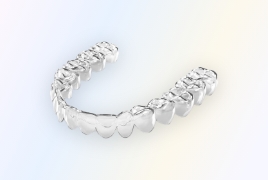
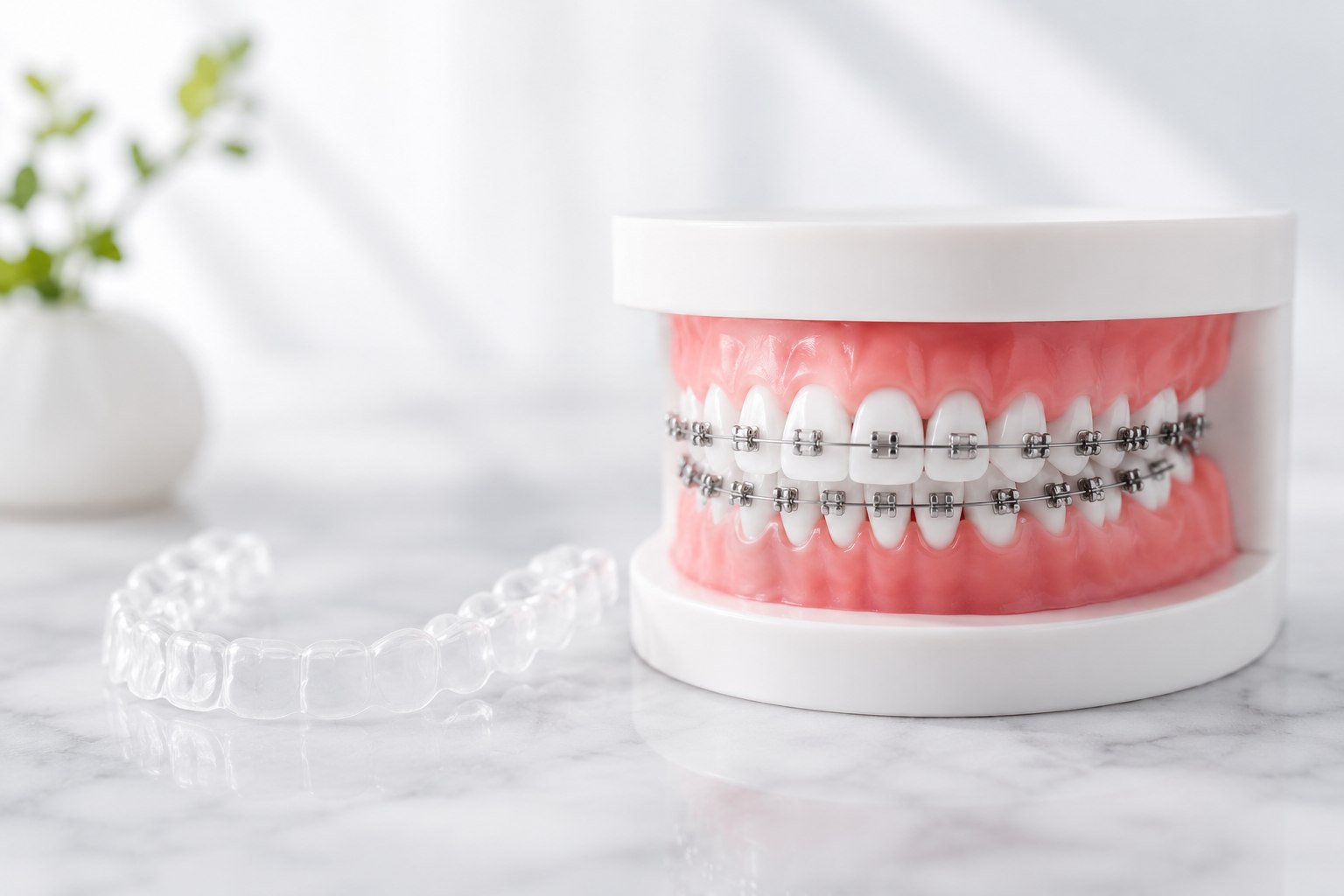
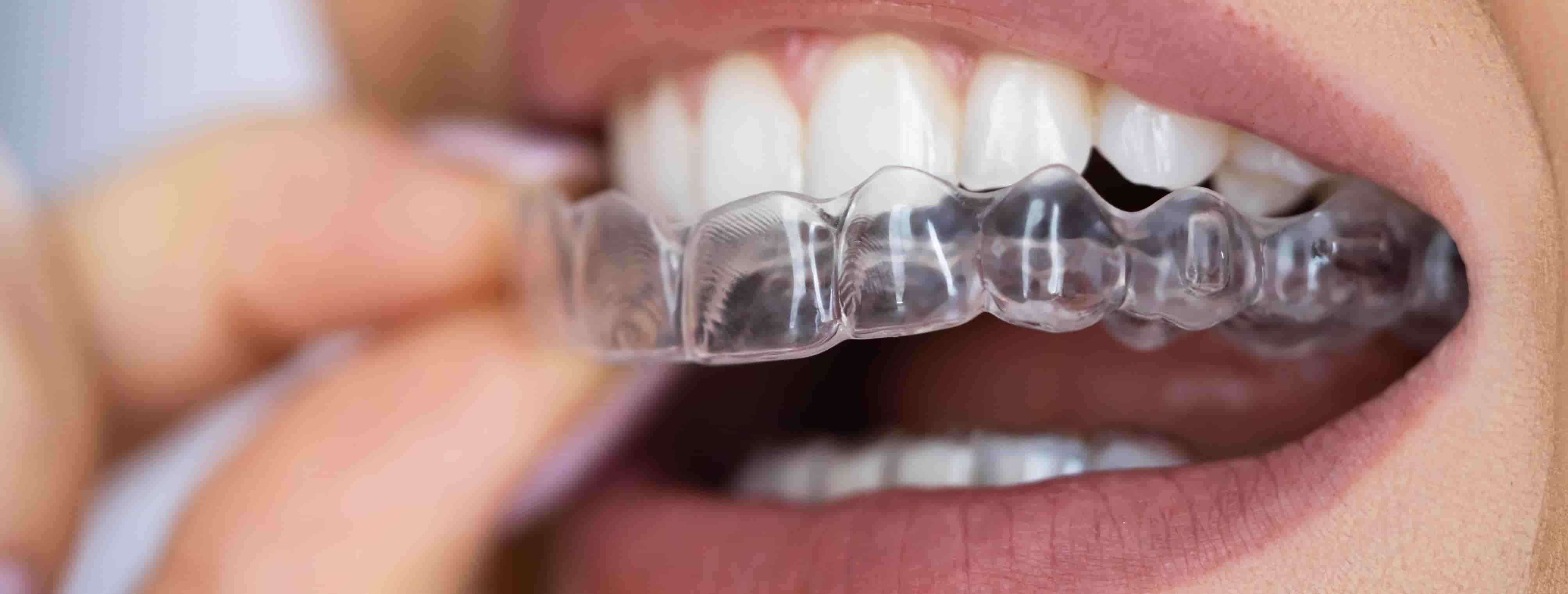
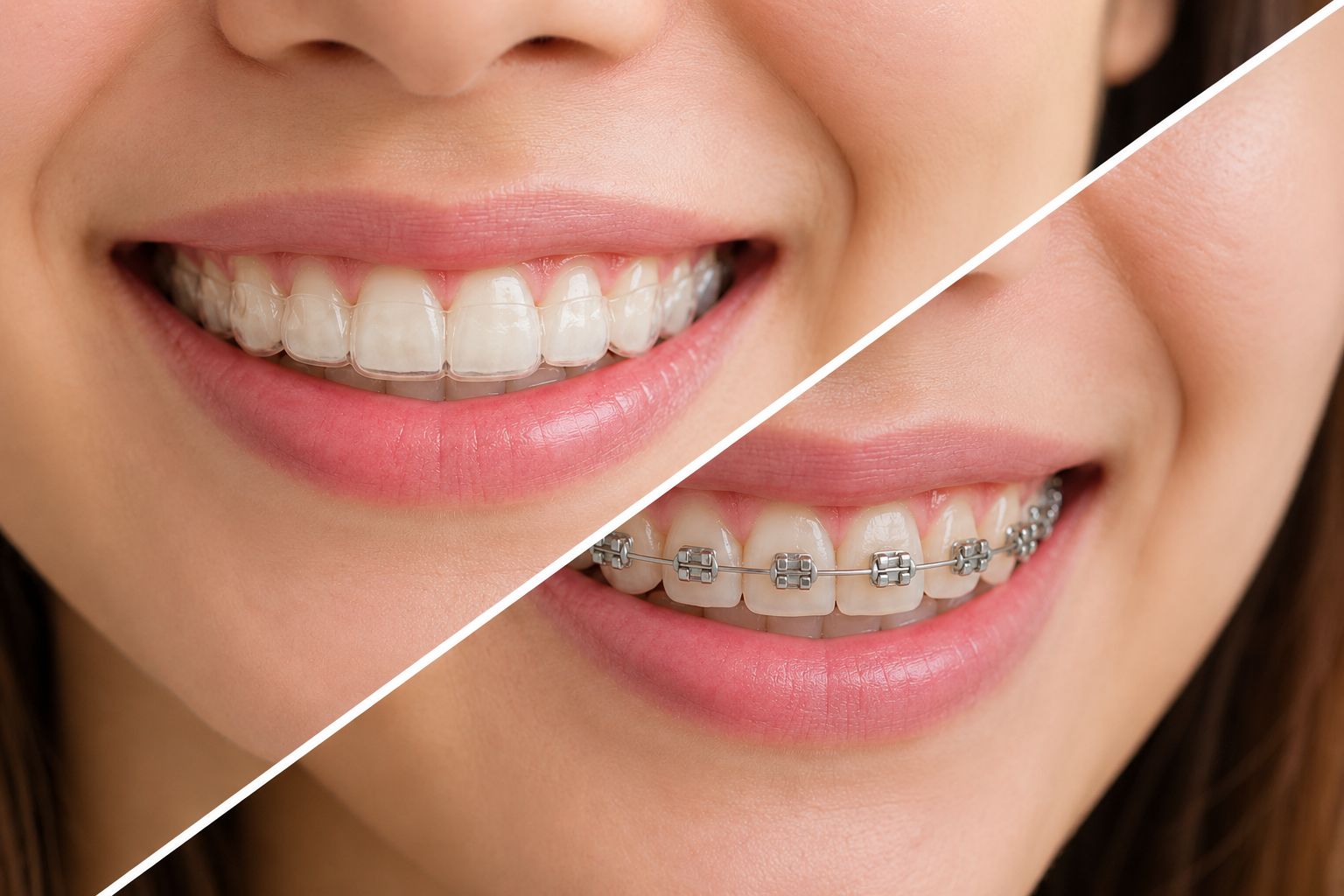
Clear aligners are transparent, removable trays designed to gradually move teeth into a better position.
Each set of aligners is usually worn for a specific period before moving to the next set. Over time, the aligners apply controlled pressure to guide tooth movement according to a planned treatment sequence.
Many people choose clear aligners because they are:
Discreet in appearance
Removable during meals
Easier to clean compared with fixed appliances
Lifestyle-friendly for working adults, students, and social occasions
Clear aligners may be suitable for mild to moderate teeth alignment concerns, depending on each individual case.
What Are Braces?
Braces remain a suitable option for many teeth alignment and bite correction cases.
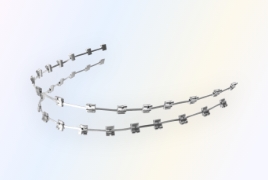
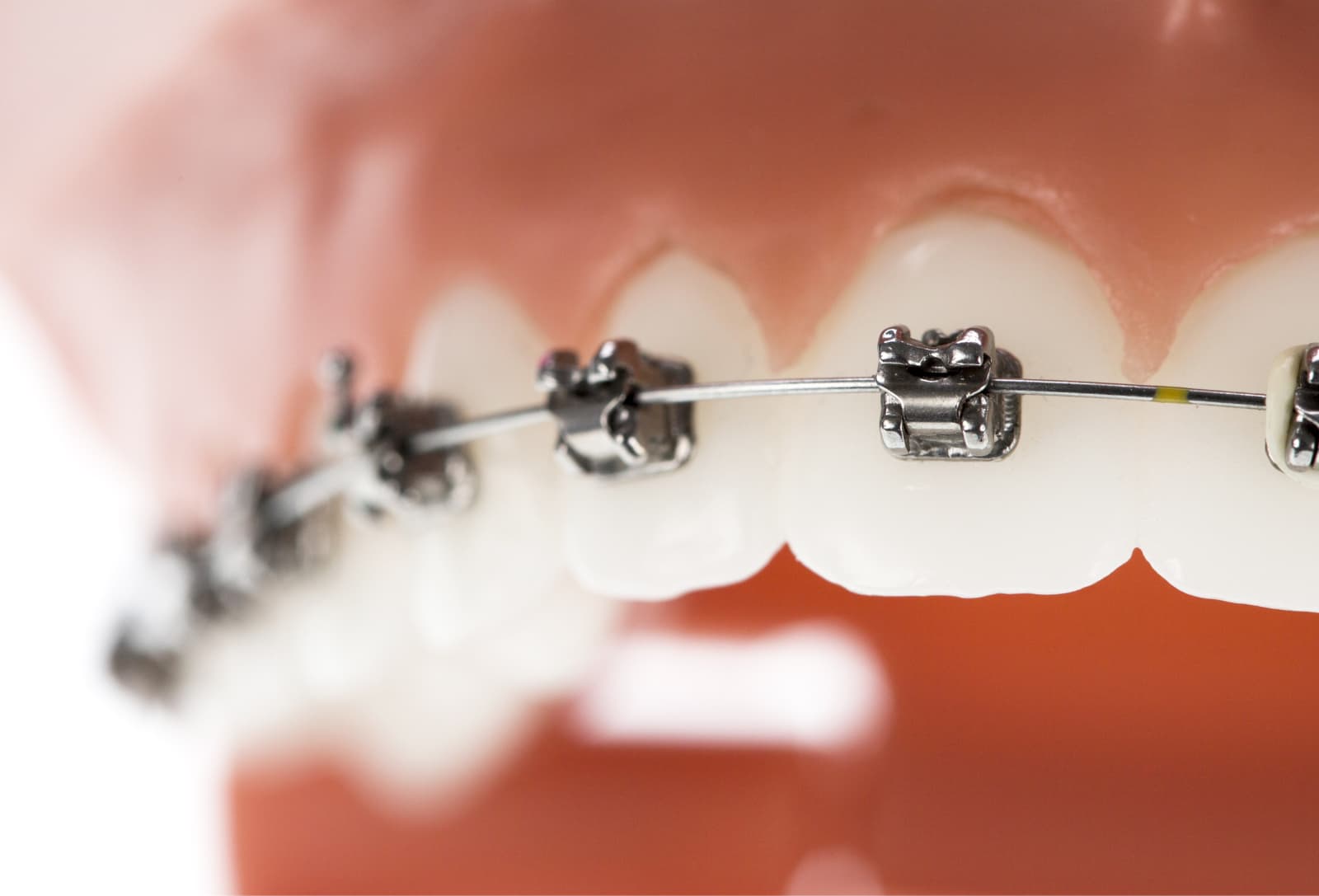
Braces are fixed orthodontic appliances attached to the teeth. They usually involve brackets, wires, and elastic components that work together to move teeth gradually over time.
Because braces are fixed, they continue working throughout the day without needing to be removed and worn again.
Braces may be recommended for a wider range of teeth alignment concerns, including cases that require more detailed tooth movement or bite correction planning.
Common types of braces include:
Metal braces
Ceramic braces
Self-ligating braces
For some patients, braces may still be the more suitable option depending on the complexity of their teeth and bite condition.
Clear Aligners vs Braces: Quick Comparison
Comparison Area
Clear Aligners
Braces
Appearance
Transparent and more discreet
More visible, especially metal braces
Removability
Removable
Fixed to the teeth
Eating
Removed before eating
Food restrictions may apply
Cleaning
Easier to brush and floss normally
Requires careful cleaning around brackets and wires
Comfort
Smooth trays, but pressure may be felt during tooth movement
Brackets and wires may cause irritation at times
Discipline Needed
Requires consistent daily wear
Works continuously because it is fixed
Lifestyle Fit
Suitable for those who prefer flexibility and discretion
Suitable for patients who prefer fixed treatment
Case Suitability
Often suitable for mild to moderate cases
May suit a wider range of cases, subject to professional assessment
1. Appearance and Confidence
One of the biggest reasons people compare clear aligners vs braces is appearance.
Clear aligners are designed to be less noticeable, making them popular among adults, working professionals, students, and individuals who prefer a more discreet option.
This can be helpful for people who regularly attend:
Meetings
Presentations
Social gatherings
Graduation events
Weddings
Photoshoots
Braces, especially metal braces, are more visible. However, some people do not mind the appearance and prefer braces because they are fixed and do not require daily removal discipline.
If appearance is a major concern, clear aligners may be worth exploring.
2. Comfort and Daily Routine
Both clear aligners and braces can cause pressure or mild discomfort, especially when teeth begin moving.
Clear aligners are made with smooth plastic trays, so they generally do not have brackets or wires rubbing against the cheeks or lips. However, patients still need time to adapt to wearing them for most of the day.
Braces may cause irritation from brackets and wires, especially during the early stage or after adjustment appointments.
In terms of daily routine, clear aligners provide more flexibility because they can be removed during meals and cleaning. Braces remain fixed at all times.
3. Eating and Drinking
With clear aligners, you remove the trays before eating. This means you can usually continue enjoying most foods without worrying about damaging brackets or wires.
However, you should brush your teeth before wearing the aligners again to avoid trapping food particles and plaque under the trays.
With braces, certain foods may need to be avoided or eaten carefully, such as:
Hard foods
Sticky sweets
Chewy foods
Popcorn
Foods that may damage brackets or wires
If you prefer fewer food restrictions, clear aligners may be more convenient.
4. Cleaning and Oral Hygiene
Oral hygiene is another major difference between clear aligners and braces.
Clear aligners are removable, so brushing and flossing can be done more normally. You also need to clean the aligner trays regularly to keep them clear and hygienic.
Braces require more detailed cleaning because food can get trapped around brackets and wires. Patients may need extra tools such as interdental brushes or floss threaders to clean properly.
Whichever option you choose, good oral care habits remain important throughout the treatment journey.
5. Discipline and Consistency
Clear aligners require consistent daily wear.
They are usually recommended to be worn for around 20–22 hours per day. If they are removed too often or not worn as instructed, treatment progress may slow down or become less predictable.
Braces are fixed, so they continue working without needing the patient to remember to wear them. This may make braces more suitable for patients who prefer a treatment option that does not rely as much on daily wear discipline.
If you are responsible with routines and prefer flexibility, clear aligners may work well. If you prefer a fixed option, braces may be more suitable.
6. Which Option Works Faster?
There is no single answer because treatment time depends on:
Teeth condition
Bite complexity
Treatment goals
Patient compliance
Case planning
Whether refinements are needed
Some mild clear aligner cases may take only a few months, while more complex cases may take longer. Braces can also vary widely depending on the severity of the case.
In general, the best way to estimate treatment duration is through a professional consultation and smile assessment.
You may also read our guide on how long clear aligners take to better understand the factors that may affect treatment duration.
7. Which Option Is Better for Mild, Moderate, and Complex Cases?
Clear aligners may be suitable for:
Mild crowding
Minor spacing
Mild to moderate alignment concerns
Adults who prefer a discreet option
Patients who can follow daily wear instructions
Braces may be suitable for:
More complex crowding
Significant bite correction
Cases requiring detailed tooth movement
Patients who prefer a fixed appliance
Patients who may not wear removable aligners consistently
The final recommendation should always be based on a proper dental assessment.
Clear aligners and braces both support teeth straightening, but differ in appearance, comfort, and daily routine.
8. Are Clear Aligners More Convenient Than Braces?
For many people, clear aligners are more convenient because they are removable and easier to manage during meals and cleaning.
Clear aligners may be especially useful for people who:
Attend many social events
Work in customer-facing roles
Prefer a less noticeable option
Want fewer food restrictions
Want easier brushing and flossing
However, convenience depends on whether you can wear them consistently every day.
9. Are Braces Still a Good Option?
Yes. Braces remain an established teeth-straightening option and may be more suitable for certain cases.
Although clear aligners are popular, braces may still be recommended when:
The case is more complex
More detailed bite correction is needed
The patient prefers fixed treatment
Compliance may be a concern
The goal is not to say one option is always better than the other. The goal is to choose the treatment that suits your smile condition and lifestyle best.
Clear Aligners or Braces: How Do You Decide?
The best option depends on your:
Teeth alignment
Bite condition
Lifestyle
Treatment goals
Ability to follow instructions
Desired appearance during treatment
If you want a discreet and removable option, clear aligners may be worth exploring.
If your case requires more complex movement or you prefer fixed treatment, your dentist may discuss braces or other orthodontic options.
A professional assessment can help you understand which option is more suitable for your smile.
Start Your Teeth-Straightening Journey with Dr Clear Aligners Singapore
At Dr Clear Aligners Singapore, we support personalised smile journeys designed around different needs, lifestyles, and smile goals.
If you are considering clear aligners, our team can help you explore whether they may be suitable based on your teeth alignment needs and smile goals.
Start your Smile Quiz to better understand your teeth-straightening options and begin your journey towards a more confident smile.