Explore Your Smile Options
SERVICES
RESOURCES
SHOP
MEDICAL CERTIFICATIONS
Certifications ensuring safety, quality, and compliance with global standards.

Missing teeth can affect more than just your appearance. They may affect chewing and speech and even cause surrounding teeth to shift over time. One commonly recommended solution by dentists is a dental bridge.
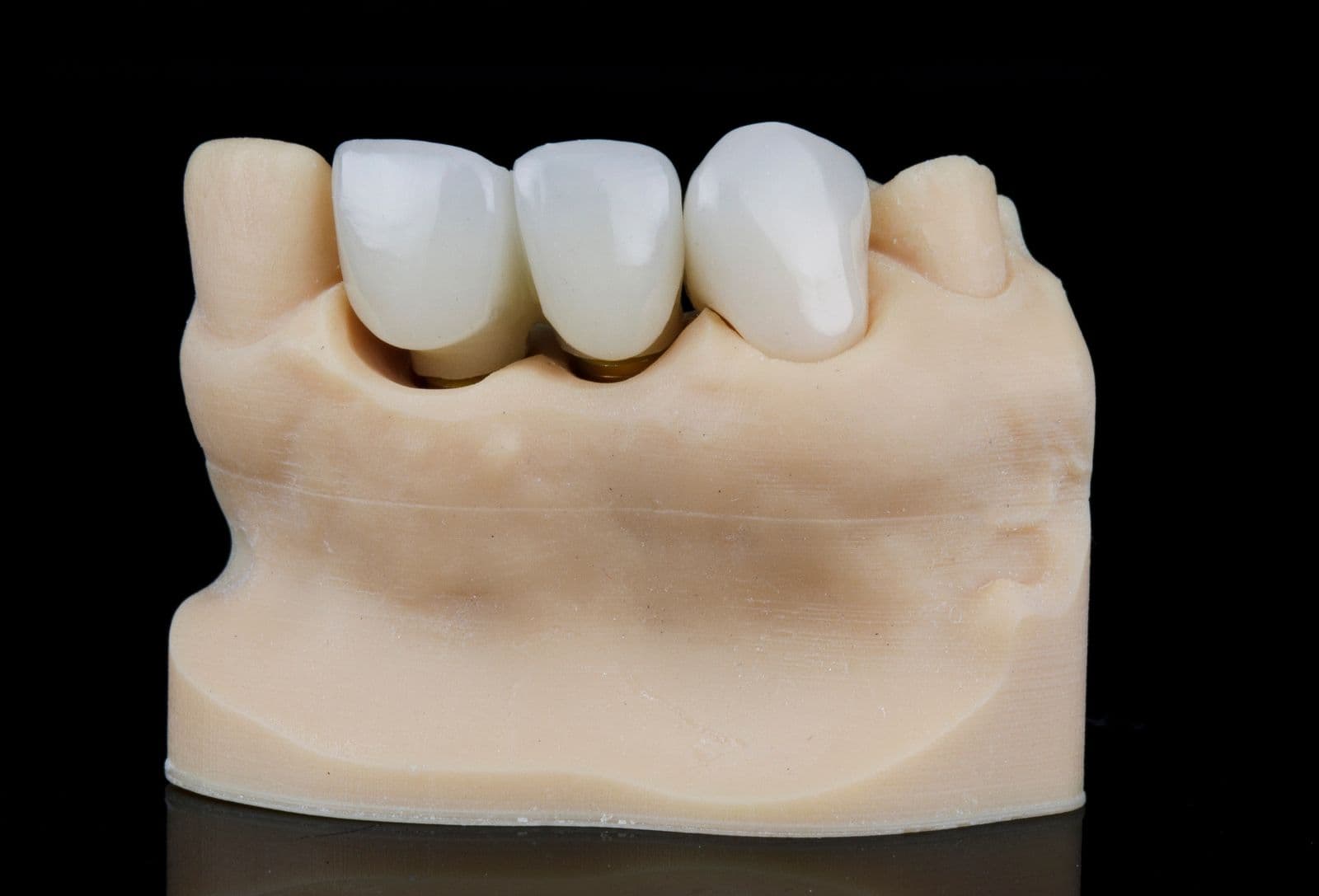
A dental bridge is a fixed dental restoration used to replace one or more missing teeth. It consists of an artificial tooth (called a pontic) that is supported by neighbouring natural teeth or dental implants.
By filling the gap left by missing teeth, dental bridges help restore bite function, maintain facial structure, and prevent nearby teeth from moving out of alignment.

A traditional dental bridge uses crowns placed on the teeth adjacent to the gap to support the artificial tooth. This is one of the most commonly used bridges.
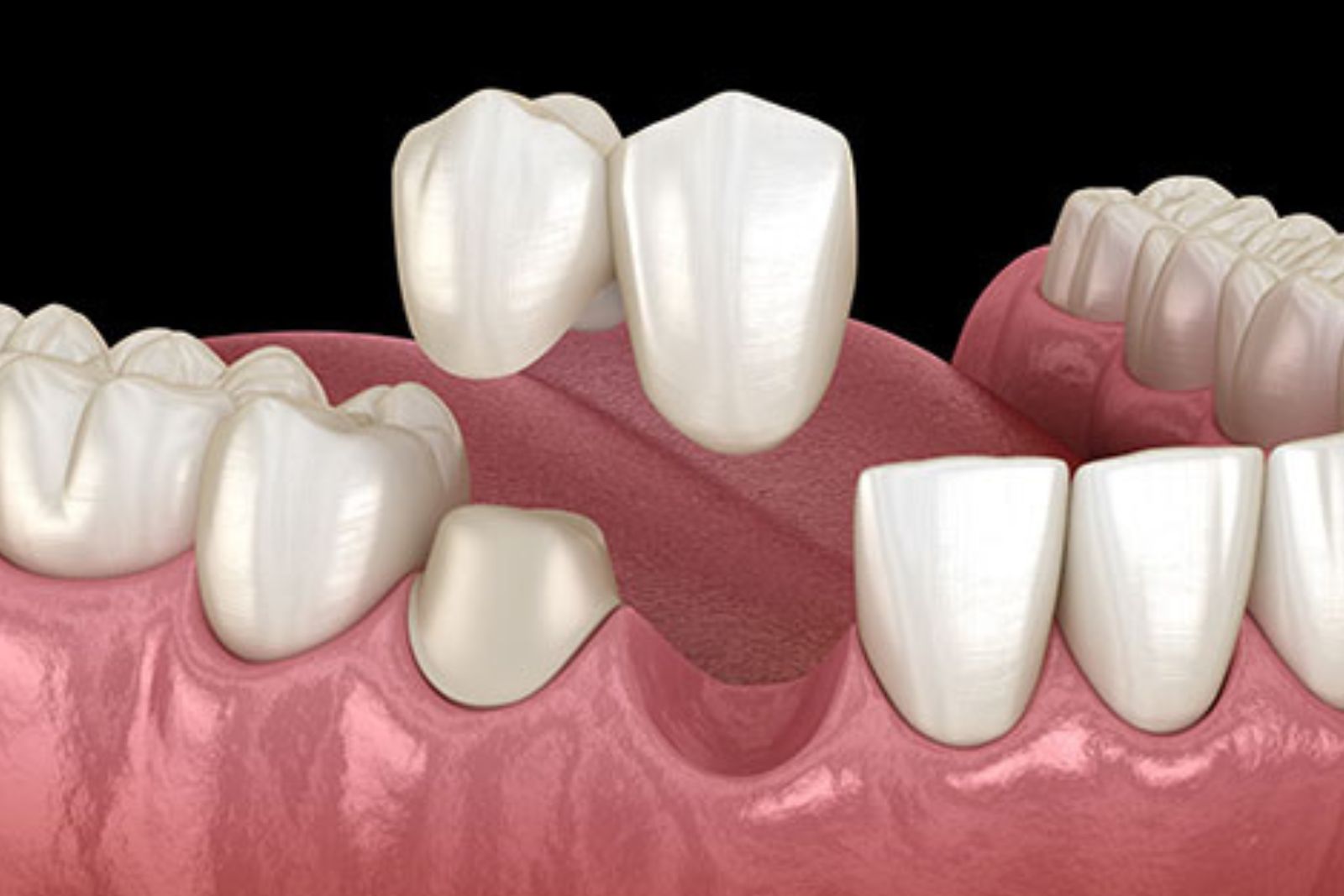
A cantilever bridge is supported by only one neighbouring tooth. It is usually recommended for areas of the mouth that experience less biting force, such as the front teeth.
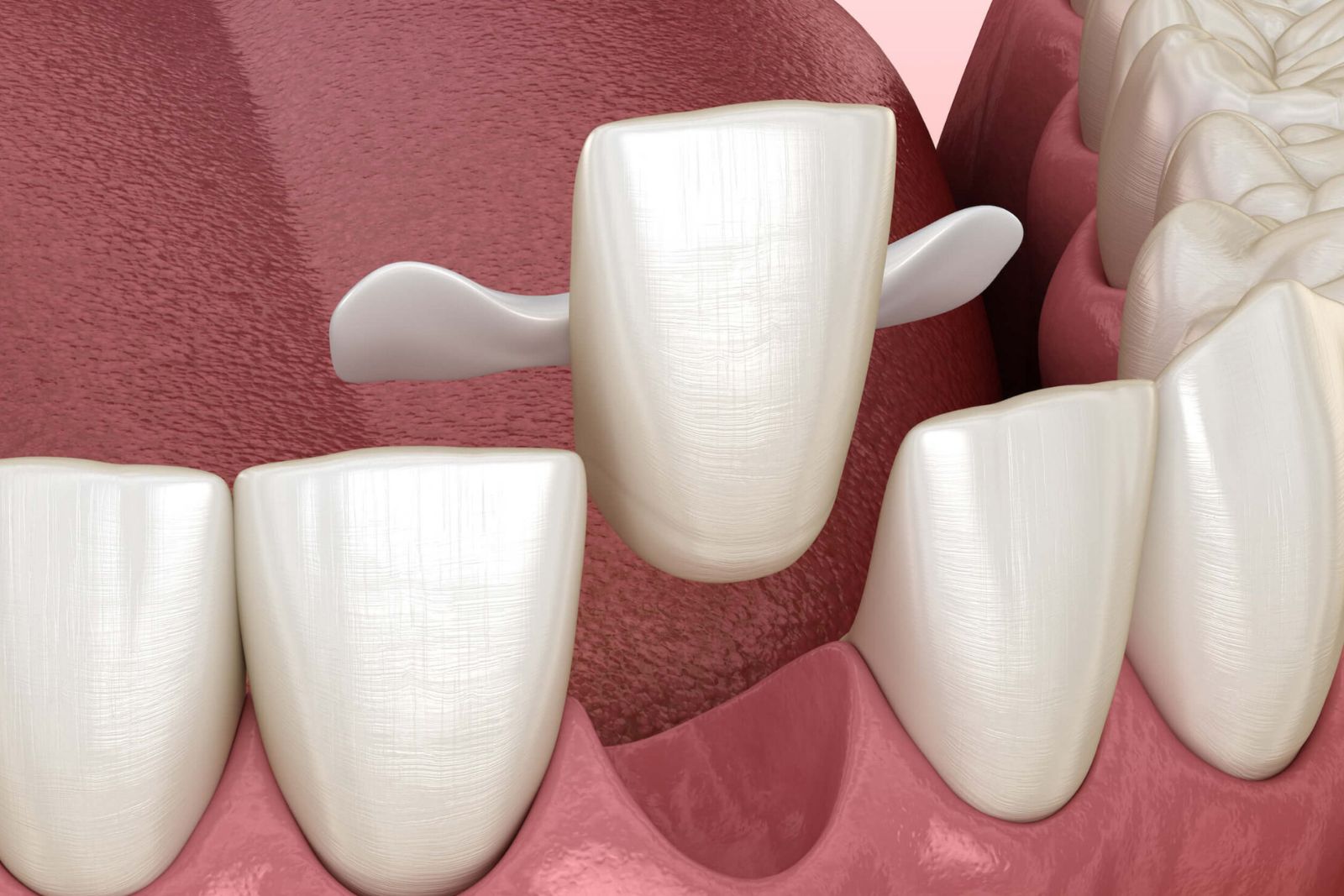
This type of bridge is bonded to the back of adjacent teeth using a metal or ceramic framework. It requires minimal tooth preparation and is often chosen for replacing front teeth.

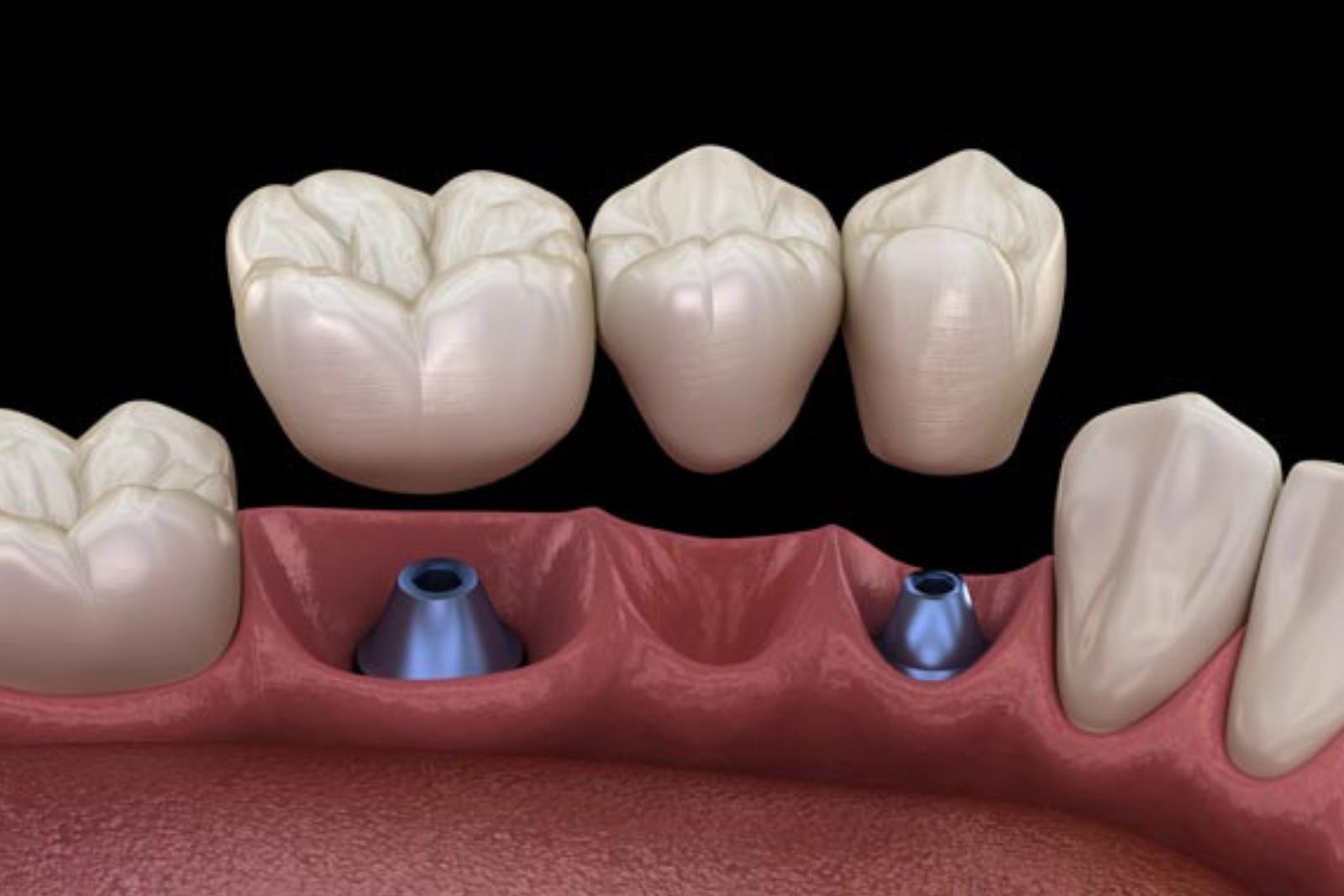
An implant-supported bridge is anchored to dental implants rather than natural teeth. This option offers greater stability and helps preserve the jawbone, as the implants replace missing tooth roots.

| Type of Teeth Bridge | Estimated Price (SGD) |
|---|---|
| Traditional bridge | 500 – 1,300 |
| Cantilever bridge | 400 – 1,100 |
| Maryland bridge | 350 – 1,000 |
| Implant-supported bridge | 2,500 – 4,800 |
Prices may vary depending on the clinic, location, and individual treatment needs.
Dental implants and bridges are both effective solutions for replacing missing teeth, but they differ in structure and long-term approach.
Dental bridges rely on neighbouring teeth or implants for support.
Dental implants replace the tooth root and support a crown directly.
Implants usually involve a higher upfront cost but may offer better longevity.
In some cases, implant-supported bridges combine the benefits of both options. Read more about dental implants.
Every dental situation is different, which is why there is no one-size-fits-all solution for replacing missing teeth. Whether a traditional bridge, a Maryland bridge, or an implant-supported option is recommended, the right choice should be based on clinical needs rather than price alone.
If you’re considering a dental bridge, thinking about straightening your teeth, or have other dental concerns, it’s a good idea to schedule a consultation. A dentist can assess your oral health, explain the options available, and guide you toward the solution that best fits your needs.
Answer a few simple questions to better understand your teeth-straightening options and take the first step towards a more confident smile.
Many people think crooked or misaligned teeth are only about appearance. While smile confidence is one reason people consider teeth ...
11 September 2026
Completing your clear aligner journey is an exciting milestone. After wearing your aligners consistently, seeing your new smile can feel ...
4 September 2026
For many working adults, having straighter teeth is not only about appearance. It can also support confidence during meetings, presentations, ...
28 August 2026
If you are considering clear aligners, you may be wondering whether they can do more than just straighten teeth. One ...
14 August 2026
Clear aligners have become a popular teeth-straightening option for people who want a more discreet and removable alternative to traditional ...
7 August 2026