TEETH - STRAIGHTENING TREATMENT
SERVICES
RESOURCES
SHOP
MEDICAL CERTIFICATIONS
Certifications ensuring safety, quality, and compliance with global standards.

Flossing is one of the most important (and most skipped) parts of oral hygiene. Many people brush twice a day but still experience gum problems, bad breath, or plaque buildup often because they’re not flossing correctly, or at all.
If you’ve ever wondered how to floss properly, whether you should floss before or after brushing, or why your gums bleed when flossing, this guide covers everything you need to know.
Brushing cleans the surface of your teeth, but it can’t reach the tight spaces between them. Flossing removes plaque, food particles, and bacteria from areas your toothbrush simply can’t access.
Regular flossing helps to:
Skipping flossing allows bacteria to thrive between teeth, which can lead to inflammation and long-term oral health issues.

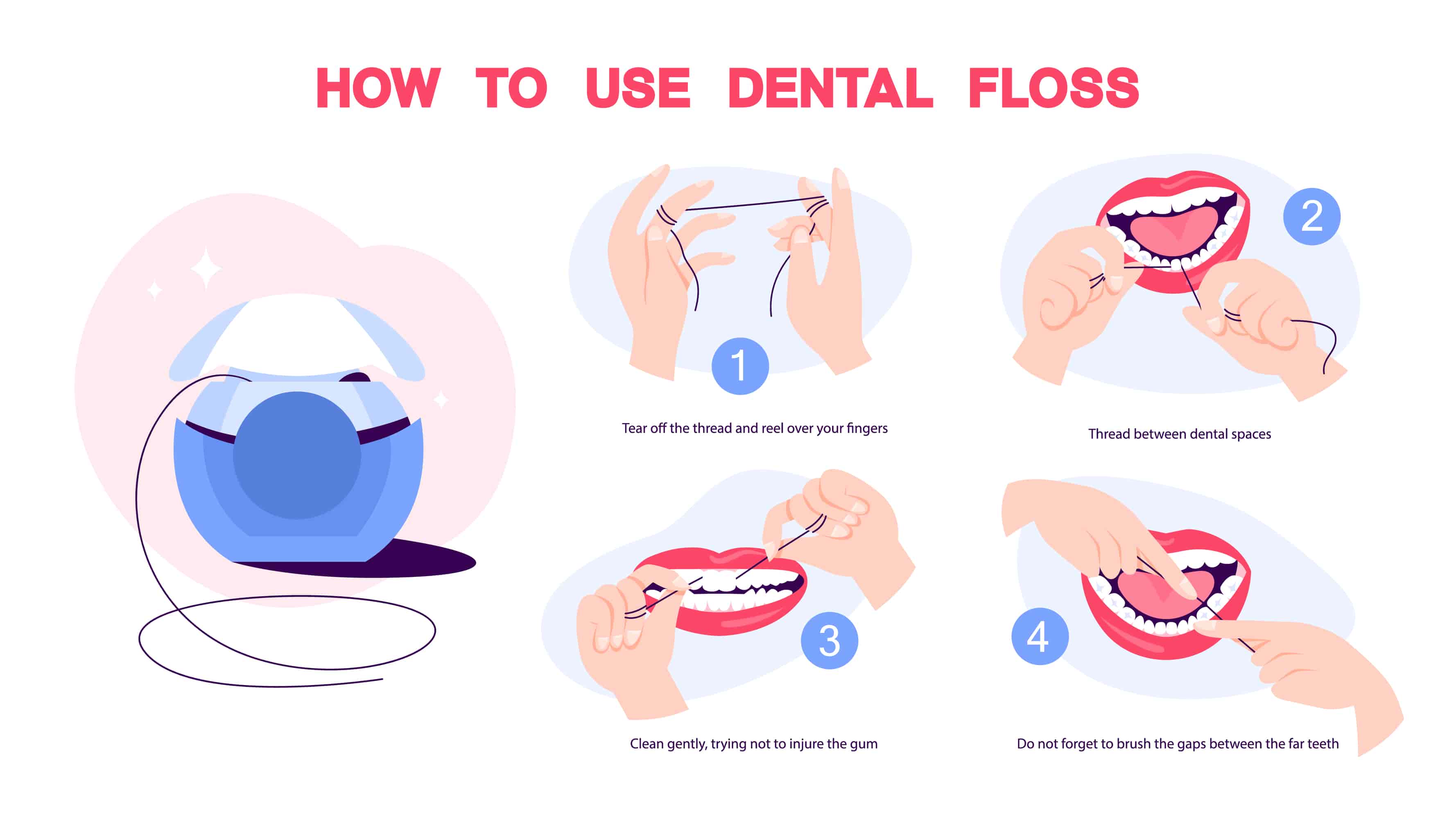
If you’re asking, “How do I floss properly?”, follow these simple steps:
This technique is the foundation for using dental floss correctly and helps prevent gum irritation.
Flossing your back teeth can feel tricky, but they’re just as important, if not more, than your front teeth.
To floss back teeth effectively:
Learning how to floss back teeth properly can significantly reduce plaque buildup in hard-to-reach areas.

Bleeding gums when flossing is common, especially if you’ve recently started or haven’t flossed regularly.
Common reasons include:
If bleeding is mild, continue flossing daily, and your gums should improve within a week or two. However, persistent bleeding may indicate gum disease and should be checked by a dental professional.
One of the most frequently asked questions is: Do you floss before or after brushing?
Most dental professionals recommend flossing before brushing.
Here’s why:
That said, the most important thing is consistency, whether you floss before or after brushing, doing it daily matters most.

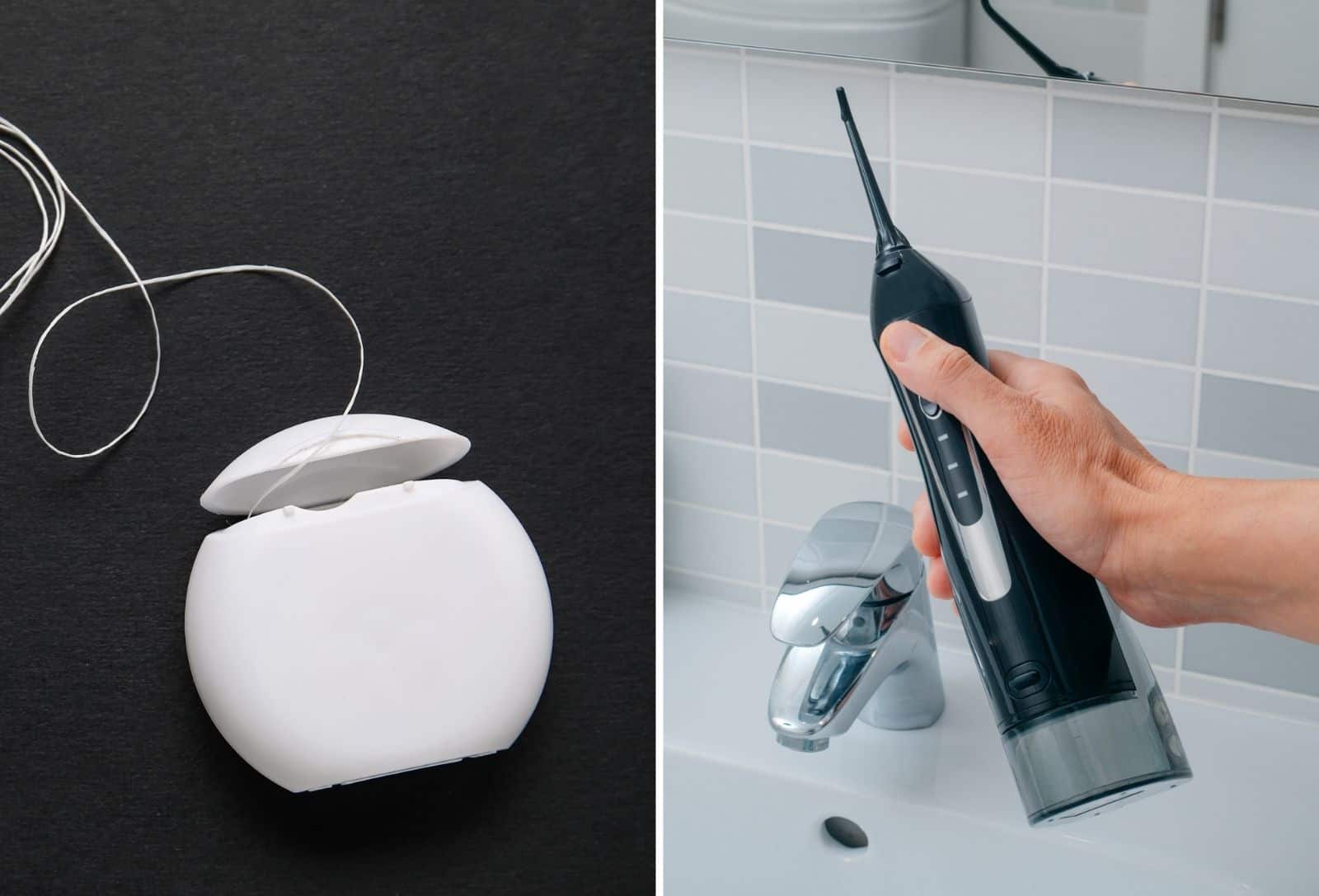
Another common question is whether water flossers are better than string floss.
String Floss
Water Flossers
Ideally, string floss is more effective for plaque removal, but water flossers are a good alternative, especially if they help you floss more consistently. You may also find out about other types of floss to determine which one suits you best.
Flossing may seem like a small step, but it plays a major role in protecting your teeth and gums. Understanding how to floss teeth properly and choosing the right tools can prevent gum disease, reduce dental visits, and keep your smile healthy long-term.
If you’re unsure about your flossing technique or experience ongoing gum issues, a dental professional can guide you with personalised advice.
Get a smile consultation today to explore more about your teeth straightening options and begin your smile improvement journey.
Founded in Singapore in 2020, Dr Clear Aligners is a Singapore-founded orthodontic technology company focused on digital smile solutions and ...
19 May 2026
Dr Clear Aligners (DCA) recently hosted its Awards Night 2026 in Kuala Lumpur, bringing together dental professionals across Southeast Asia ...
12 May 2026
See the World with Atome – Enjoy Exclusive Savings This May Planning your next step towards a confident smile? This ...
5 May 2026
Diploma Graduation: The Start of Something New Graduating with a diploma is a major milestone — but more importantly, it ...
29 April 2026
With an established presence in Thailand since 2021, Dr Clear Aligners continues to build on its regional footprint through a ...
16 April 2026