If you are considering clear aligners, you may be wondering whether they can do more than just straighten teeth.
One common question is:
“Can clear aligners fix my bite?”
The answer depends on the type of bite problem, the severity of the case, and whether clear aligners may be suitable for your teeth condition. In some cases, clear aligners may help improve selected bite concerns. In other cases, braces or a different orthodontic approach may be discussed.
Whether your concern is an overbite, underbite, crossbite, crowded teeth, crooked teeth, teeth gaps, or spaced teeth, the first step is to understand whether your case may be suitable for clear aligners.
This guide explains common bite problems, how clear aligners may support bite correction, and why a professional review is important before starting your teeth-straightening journey.
What Is a Bite Problem?
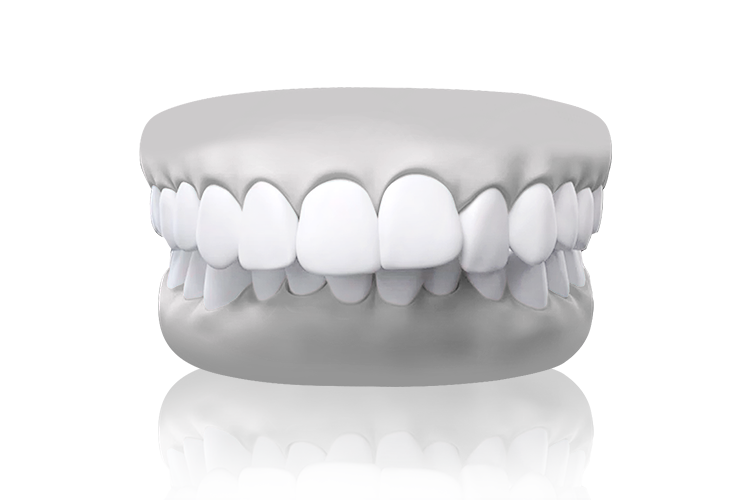
A bite problem refers to the way your upper and lower teeth meet when you close your mouth.
Ideally, your teeth should fit together in a way that supports comfortable chewing, balanced tooth contact, and a more harmonious smile. When the teeth or jaws do not align properly, it may affect the way your bite functions.
Bite problems can appear together with other teeth alignment concerns such as crowding, spacing, rotated teeth, or shifting teeth.
Some bite issues may be mild and mainly affect appearance, while others may affect chewing comfort, oral hygiene, or long-term teeth alignment.
Wondering If Clear Aligners May Help with Your Bite Concern?
Take a quick Smile Quiz to explore whether clear aligners may suit your teeth condition, bite concern, and smile goals.
There are several types of bite problems that may be assessed during an orthodontic review.
Common examples include:
overbite
underbite
crossbite
openbite
teethgap
crowding
Each bite condition is different. Some may involve mainly tooth position, while others may involve jaw relationship, growth pattern, or more complex movement needs.
This is why it is important to avoid assuming that one teeth-straightening option will work for every bite concern.
Can Clear Aligners Help with Bite Correction?
Clear aligners may help with certain bite problems, especially when the concern is related to tooth positioning and can be improved through planned tooth movement.
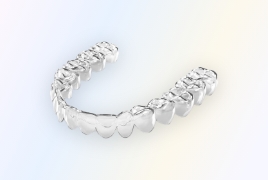
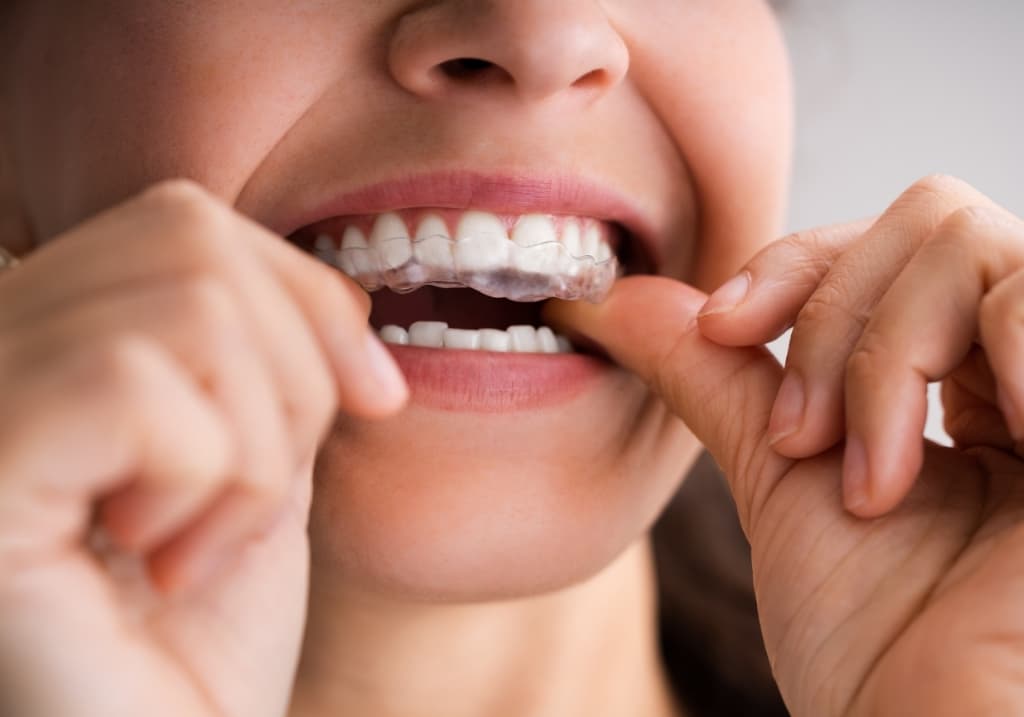
Clear aligners work by using a series of custom-made trays that apply gentle, controlled pressure to gradually guide teeth into a planned position.
If you want to understand the process more clearly, you may read our guide on how clear aligners work.
However, clear aligners may not be suitable for every bite issue. Some complex cases may require braces, additional dental procedures, or a different orthodontic plan.
A professional review helps determine whether clear aligners may be suitable for your bite concern and whether another teeth-straightening option should be considered.
Can Clear Aligners Fix an Overbite?
malocclusion overbite
An overbite happens when the upper front teeth overlap the lower front teeth more than usual.
Some degree of overlap is normal, but a deeper overbite may affect the way the front teeth meet. It may also contribute to uneven tooth wear, discomfort, or smile concerns in some cases.
Clear aligners may help improve selected overbite cases, depending on the severity and cause of the bite issue.
For example, if the overbite is mainly related to tooth positioning, clear aligners may be used to gradually guide the teeth into a better alignment. However, if the overbite involves more complex jaw relationship concerns, another approach may be needed.
Can Clear Aligners Fix an Underbite?
malocclusion underbite
An underbite happens when the lower front teeth sit in front of the upper front teeth when the mouth is closed.
Underbite cases can vary widely. Some may be mild and related to tooth position, while others may involve jaw structure or growth pattern.
Clear aligners may help with selected mild underbite cases, especially when tooth movement can support better alignment.
However, moderate to severe underbite cases may require a more detailed orthodontic plan. In some cases, braces or other options may be discussed depending on the individual condition.
Can Clear Aligners Fix a Crossbite?
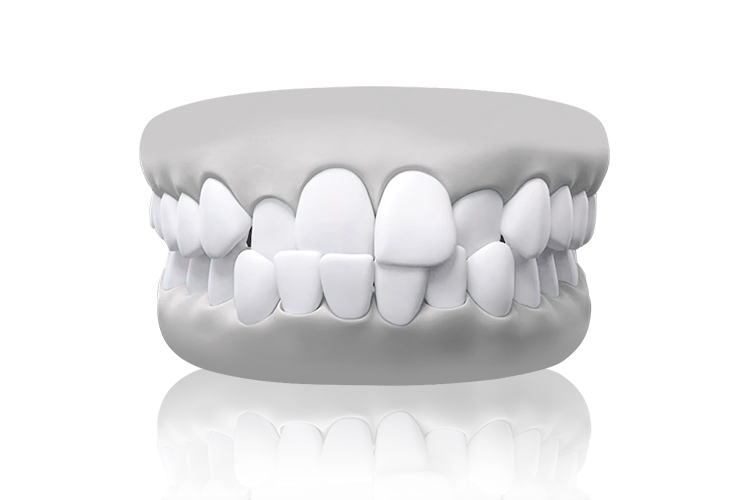
malocclusion crossbite
A crossbite happens when some upper teeth sit inside the lower teeth instead of outside them when biting down.
This may affect front teeth, back teeth, or one side of the mouth. If left unmanaged, some crossbite cases may contribute to uneven tooth wear, gum concerns, or bite imbalance over time.
Clear aligners may help correct selected crossbite cases if the required movement is suitable for aligner treatment.
For more complex crossbite cases, your dental provider may need to assess whether clear aligners alone are enough or whether another approach may be more appropriate.
Can Clear Aligners Fix an Open Bite?
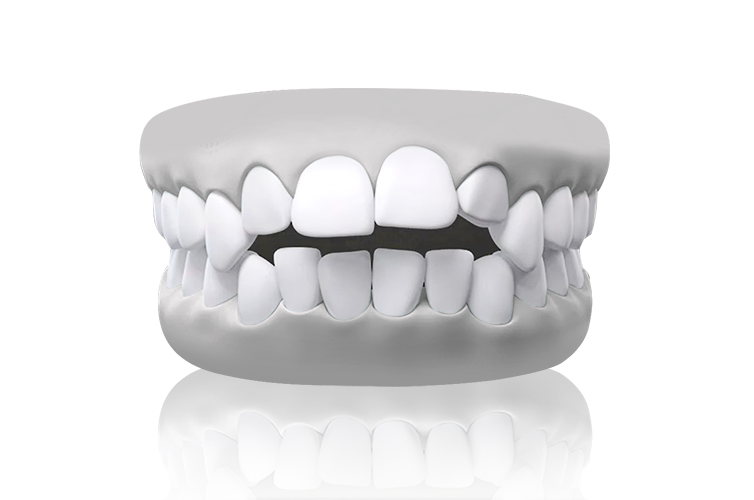
malocclusion openbite
An open bite happens when the upper and lower teeth do not fully meet when the mouth is closed.
This may affect the front teeth or back teeth, depending on the case. Some open bite concerns may be linked to habits, tooth positioning, or jaw development.
Clear aligners may help improve selected open bite cases, especially when the issue is related to tooth position and can be guided through staged movement.
However, open bite cases can be complex, so a professional review is important to understand whether clear aligners may be suitable.
Can Clear Aligners Help with Crowding and Spacing?
Clear aligners are commonly considered for teeth crowding and spacing concerns.
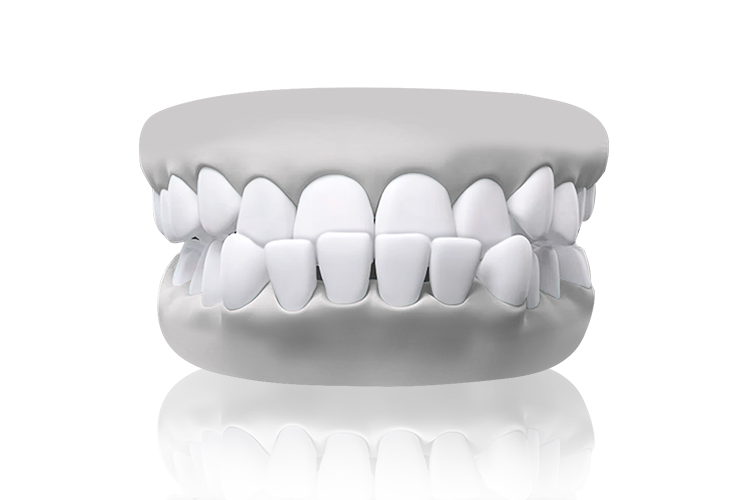
malocclusion crowding
Crowding happens when there is not enough space for teeth to align properly. This may cause teeth to overlap, rotate, or appear uneven.
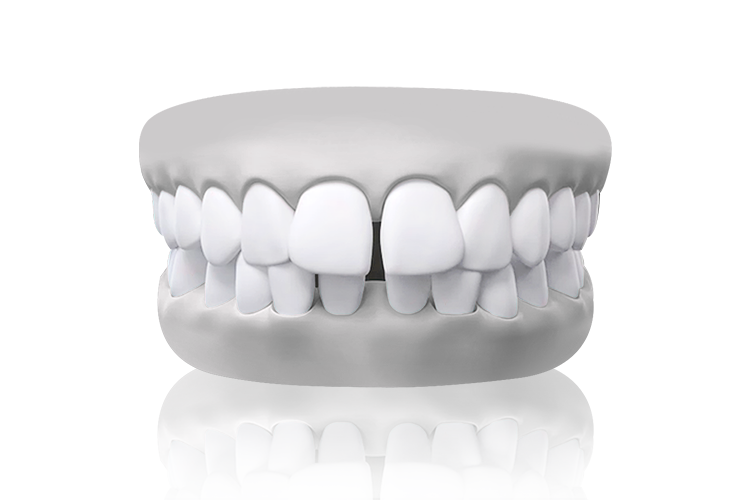
malocclusion spacing / teethgap
Spacing, or a teeth gap, occurs when there are visible gaps between teeth. Some gaps may be small, while others may require more detailed planning depending on the cause.
Clear aligners may help with mild to moderate crowding or spacing cases, depending on your teeth condition and smile goals.
Have Crowded Teeth, Gaps, or Bite Concerns?
Explore whether clear aligners may be suitable for your teeth alignment needs through a quick Smile Quiz.
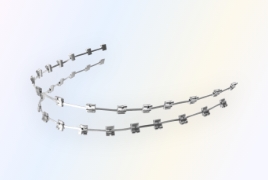
Clear aligners are a discreet and removable teeth-straightening option, but braces may still be discussed for some cases.
Braces may be considered when a case requires:
More complex tooth movement
Fixed appliances for better control
Significant bite correction
Severe crowding or spacing
More detailed management of jaw or bite relationship
A treatment option that does not depend on removable wear compliance
If you are comparing both options, our article on clear aligners vs braces can help you understand the key differences in appearance, comfort, cleaning, lifestyle fit, and suitability.
How Do Dentists Assess Bite Problems?
Before deciding whether clear aligners may be suitable, your dental provider needs to assess your teeth and bite condition.
This may involve checking:
How your upper and lower teeth meet
The severity of crowding or spacing
Whether teeth need to rotate or move vertically
Your bite relationship
Your oral health condition
Your smile goals
Your ability to wear aligners consistently
Digital scans, dental photos, and planning tools may also be used to help map out possible tooth movement.
This allows your provider to better understand whether clear aligners may be suitable for your bite concern.
Why Wear Time Matters for Bite Correction
If clear aligners are suitable for your case, consistent wear is one of the most important parts of the process.
Because clear aligners are removable, they only work when they are worn as advised. If aligners are removed too often or not worn long enough each day, tooth movement may not follow the planned sequence.
This can affect smile progress and overall results.
You should remove your aligners before eating, drinking anything other than water, brushing, and flossing. After that, they should be worn again once your teeth are clean.
Are Clear Aligners Suitable for Your Bite Problem?
Clear aligners may be suitable if your bite concern can be improved through planned tooth movement and if you are able to wear your aligners consistently.
They may be worth considering if you are looking for a teeth-straightening option that is:
Transparent and natural-looking
Removable during meals
Easier to clean compared with fixed braces
Suitable for many daily routines
Planned according to your teeth condition and smile goals
However, clear aligners are not the right option for every bite concern. The more suitable option depends on your teeth, bite relationship, oral health, and smile goals.
A professional review is the best way to better understand your options.
Start Your Smile Quiz with Dr Clear Aligners Singapore
At Dr Clear Aligners Singapore, we support personalised smile journeys based on different teeth conditions, bite needs, lifestyles, and smile goals.
If you are wondering whether clear aligners may help with your overbite, underbite, crossbite, crowded teeth, or teeth gaps, the Smile Quiz can help you take the first step towards exploring your options.