Step by Step Guide: How to Brush & Floss Teeth with Braces

Brushing your teeth while wearing braces is a bit more challenging than brushing natural teeth alone, but it’s essential for keeping your smile healthy throughout your orthodontic treatment. Braces create extra spaces where food particles and plaque can get trapped, making your teeth more prone to cavities, gum problems, and even permanent white spots if not cleaned properly.

If you’re wondering how to brush and floss teeth with braces the right way, this guide will walk you through everything from brushing and flossing to tackling plaque buildup around brackets and wires.

How to Brush Teeth with Braces

1. Rinse Your Mouth First

Before brushing, rinse with water to loosen any food particles stuck around your brackets and wires. This helps make brushing more effective.

2. Choose the Right Toothbrush

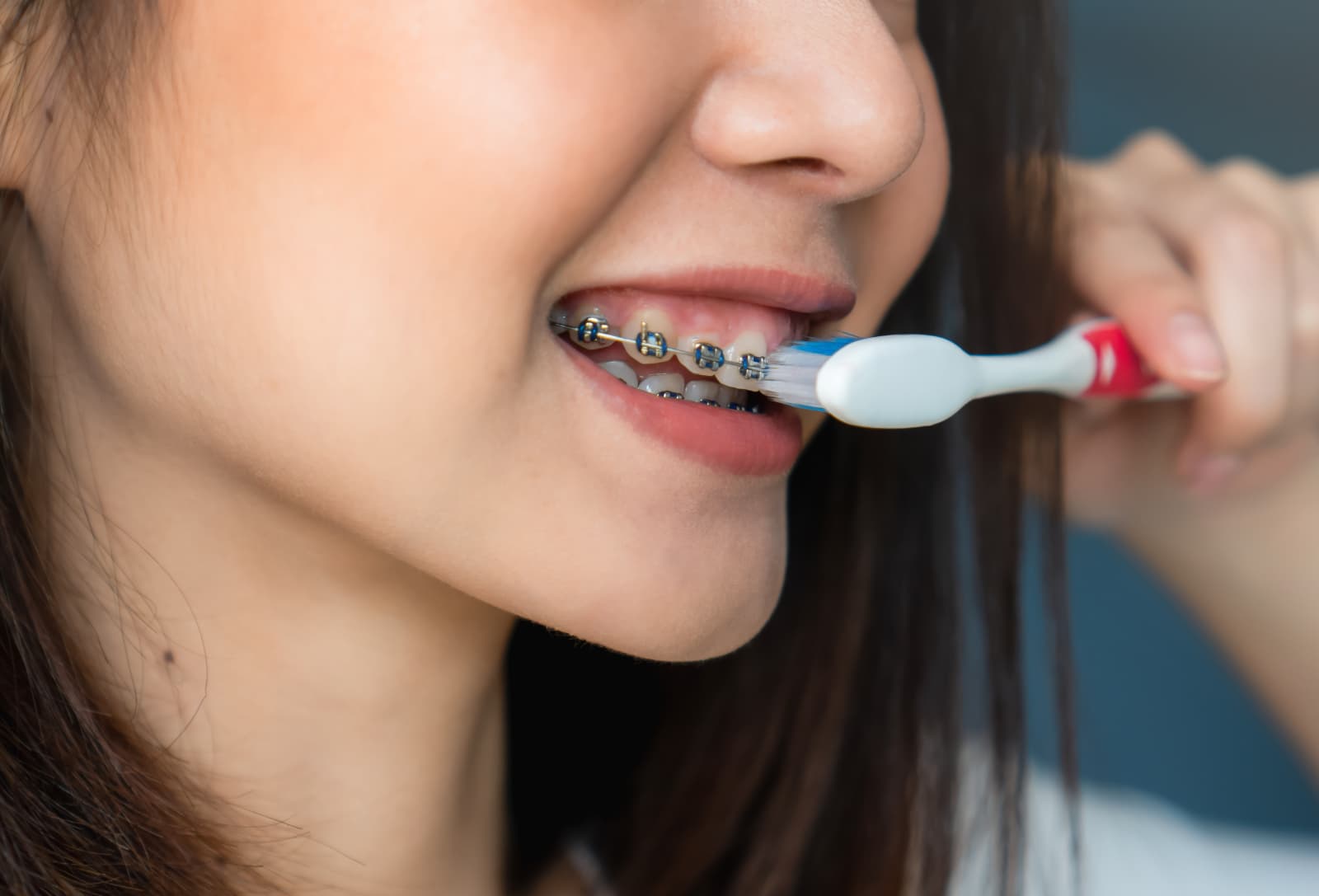
Use a soft-bristled toothbrush or an orthodontic toothbrush designed for braces. Electric toothbrushes can also work well, as long as you brush gently and follow all surfaces.

3. Brush at a 45-Degree Angle

Hold your toothbrush at a 45-degree angle and gently brush:

  • Above the brackets – to clean the area near your gumline
  • Below the brackets – to remove food particles
  • Directly on the brackets and wires – to prevent plaque from sticking

Use small, circular motions rather than hard scrubbing. Be thorough but gentle to avoid damaging your gums or enamel.

4. Cover Every Tooth Surface

Make sure to brush:

  • Front surfaces of your teeth
  • Back surfaces
  • Chewing surfaces

Take your time and aim for at least two minutes of brushing. Don’t rush; each bracket needs attention.

5. Pay Attention to the Gumline

Plaque often gathers where the teeth meet the gums, so gently brush along the gumline to prevent inflammation and bleeding.

How to Floss Teeth with Braces

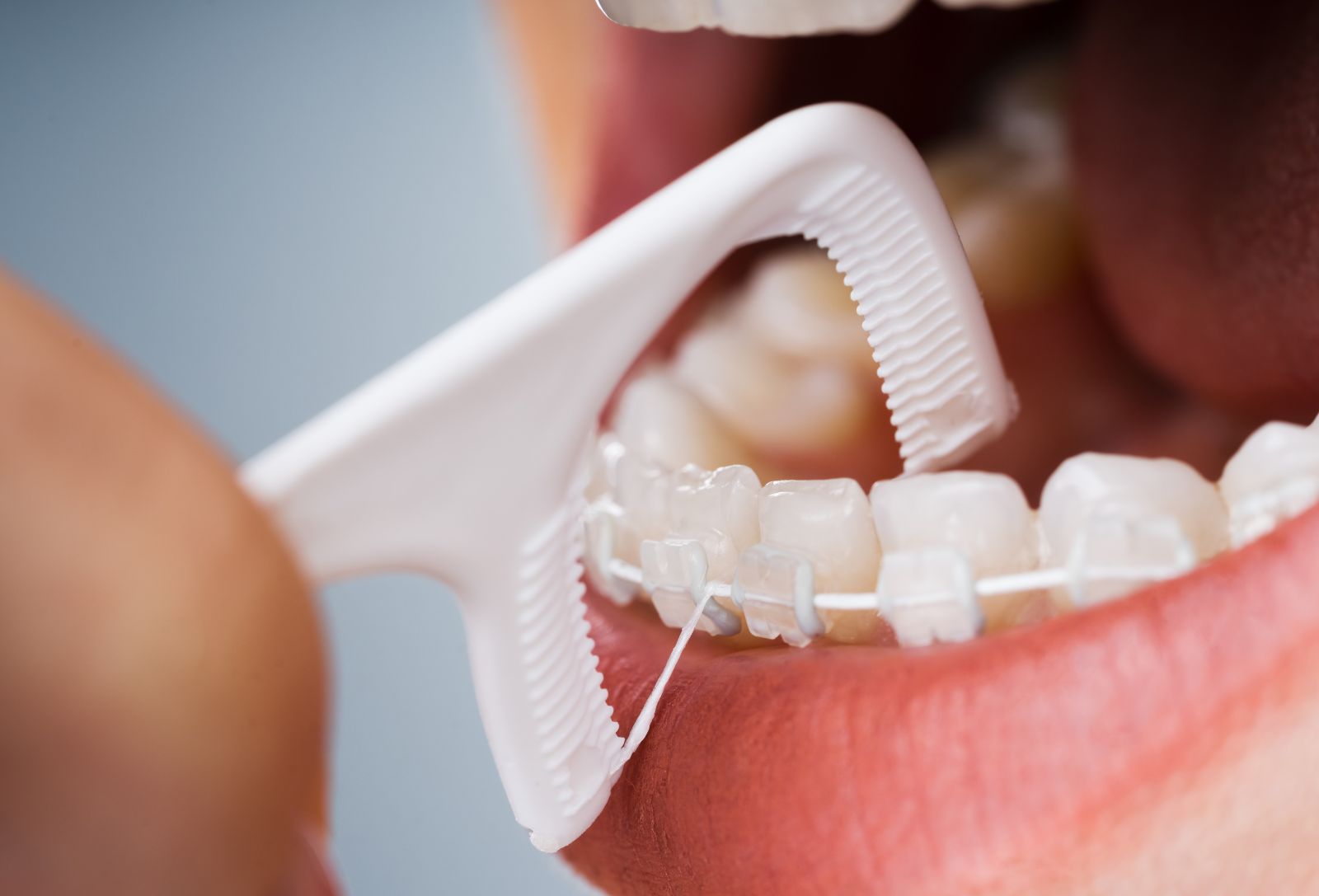
Brushing alone isn’t enough; flossing is equally important when you have braces. Braces make it harder for traditional floss to reach tight spaces, but there are solutions:

  • Floss threaders – help guide floss under wires
  • Orthodontic floss – designed specifically for braces
  • Water flossers – use a gentle stream to remove plaque and food particles

Carefully floss between each tooth at least once a day, preferably at night, to keep your gums and teeth healthy. Knowing how to brush and floss with braces ensures that even hard-to-reach areas stay clean.

How to Get Rid of Plaque Buildup Around Braces

Plaque can build up quickly around brackets if not cleaned properly. To prevent this:

  • Brush after every meal if possible
  • Use interdental brushes or proxabrushes to clean between brackets and wires
  • Rinse with a fluoride mouthwash to strengthen enamel and reduce bacteria
  • Limit sticky, sugary foods that cling to braces

Consistency is key; regular cleaning helps prevent hardened plaque (tartar), which can only be removed by a dentist or orthodontist.

Common Brushing Mistakes to Avoid

Even with the best intentions, some habits can harm your teeth during orthodontic treatment:

  • Brushing too hard (can irritate gums and damage enamel)
  • Skipping flossing
  • Missing areas around brackets and wires
  • Brushing too quickly

If you’re unsure whether your brushing technique is effective, your dentist or orthodontist can demonstrate the correct method during check-ups.

Final Thoughts

Knowing how to brush teeth properly with braces is essential for keeping your smile healthy and preventing long-term dental issues. With the right toothbrush, proper technique, and consistent care, you can keep your teeth and gums in top condition throughout your orthodontic treatment.

Regular dental check-ups and professional cleanings will also help ensure your teeth stay healthy, while your braces work to give you the perfect smile.

Whatsapp