TEETH - STRAIGHTENING TREATMENT
SERVICES
RESOURCES
SHOP
MEDICAL CERTIFICATIONS
Certifications ensuring safety, quality, and compliance with global standards.

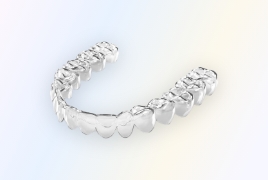
Just like you wouldn’t put a dirty object in your mouth, you shouldn’t place a dirty retainer in there either. Cleaning and maintaining your retainer is critical for good oral hygiene. Learn the effective ways to clean different types of retainers and how often you should be doing it.
By the end of reading this article, you will find out how to clean and maintain your dental retainers:

You can also opt for specialised retainer cleaning tablets for a more thorough cleaning. Just soak your retainer in water with a cleaning tablet for at least 10 to 15 minutes daily. This will not only remove stains but also help maintain its transparency. They are also effective for removing plaque and tartar build-up on your dental retainers.
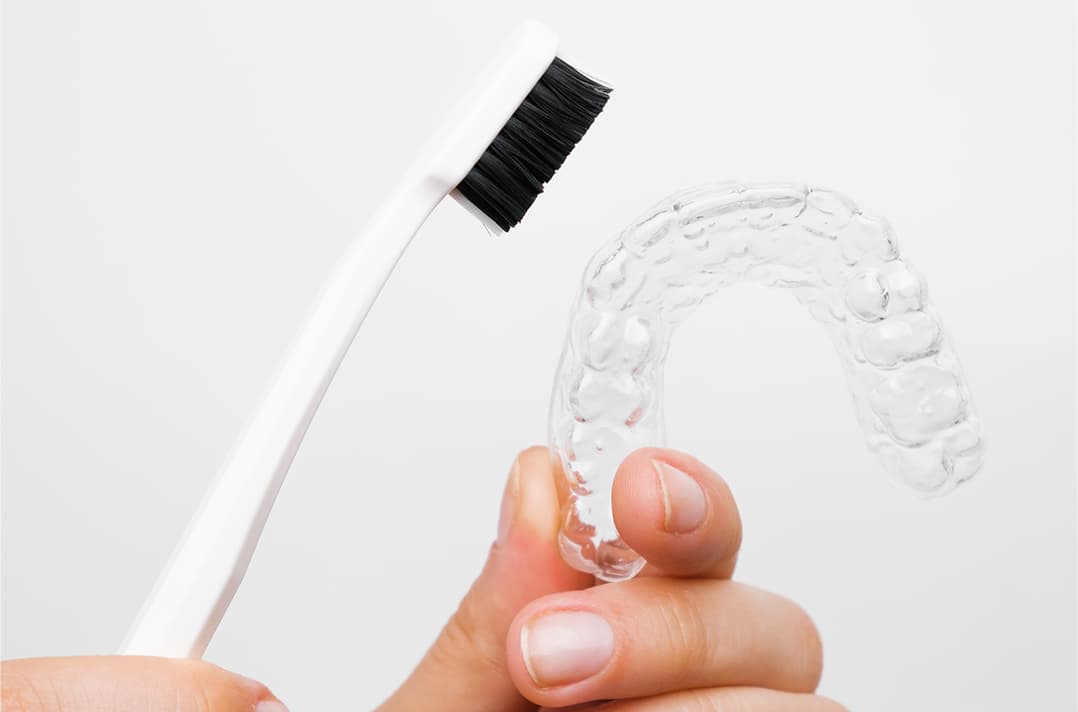
Alternatively, you can brush your retainer gently using a soft-bristled brush. While water is generally enough, you can also use a clear, liquid antibacterial soap for better cleaning. However, be cautious when using toothpaste as it could scratch or discolour your retainer.
Whenever you take your retainer out of your mouth, immediately rinse it under cold or lukewarm water. Doing so prevents saliva and debris from hardening, making it easier to clean later. You may also soak your retainer for 20 minutes and rinse well.
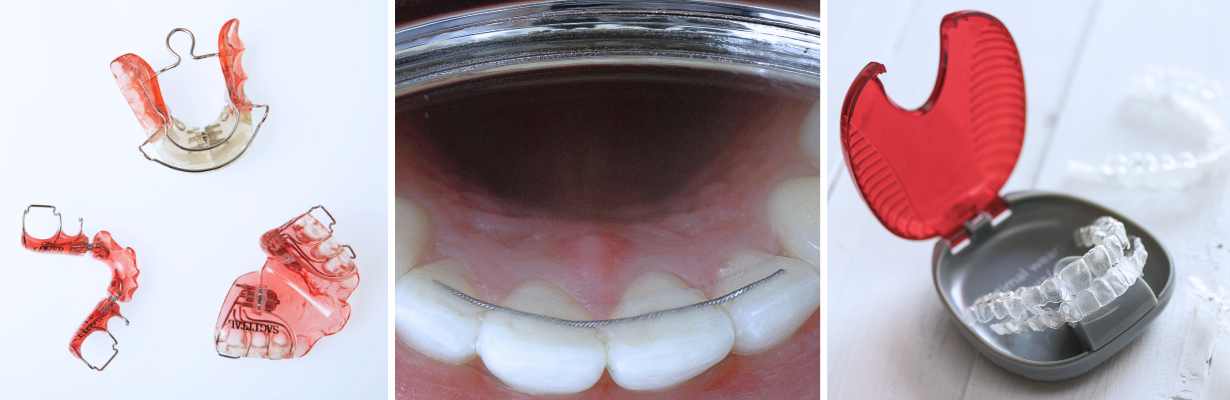
For fixed lingual retainer, since they’re permanently fixed to your teeth, you may want to use a floss threader for effective flossing around the wire and between your teeth. Some people also find water flossers helpful. Pay extra attention to the spots where the wire is bonded to your teeth to prevent plaque and tartar buildup.

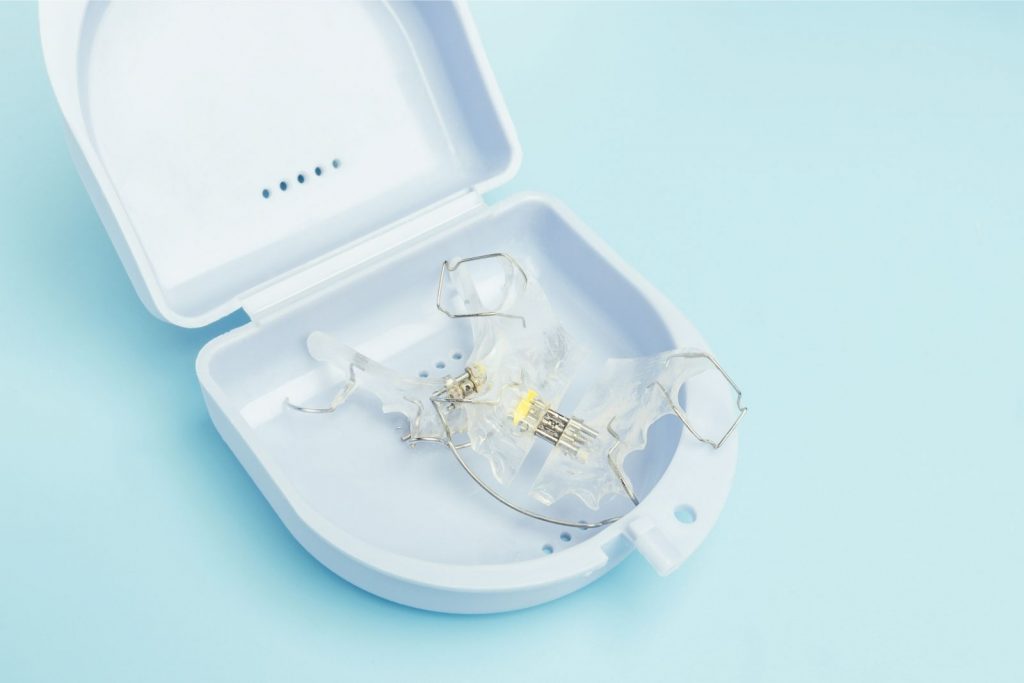
Always keep your retainer in its case when not in use to protect it from dirt, potential damage, and pets. Also, keep in mind to store your retainers when they are dry, as wet retainers can cause the growth of bacteria.
Always air dry your retainers or put them in a container with sufficient airflow after you have cleaned them as a moist environment allows for the growth of mould and bacteria.
Avoid leaving your retainer in direct sunlight or near heat sources, as this can cause the material to melt or warp.
Last but not least, remember to clean your retainer cases as well. Even if you clean your retainers each time before you store them, bacteria may have accumulated in the case without you knowing.
It is always recommended to wash your retainer every time you brush your teeth. Daily rinsing and at least a weekly soak in cleaning tablets will help maintain your retainer in optimal condition.
All in all, adhering to a proper hygiene routine can prolong the life of your retainer and ultimately save you money. Regular cleaning will also contribute to overall oral health, helping you preserve the beautiful smile you’ve worked hard to attain. Book your free smile consultation today to get your perfect teeth.
Get a smile consultation today to explore more about your teeth straightening options and begin your smile improvement journey.
What Is Plaque on Teeth? Dental plaque is a soft, sticky film that constantly forms on your teeth. It is ...
22 December 2025
What Is a Gummy Smile? A gummy smile happens when more of the upper gums show than usual when you ...
15 December 2025
What Is a Crossbite? A crossbite happens when your upper teeth sit inside your lower teeth when you bite down. ...
9 December 2025
What Is IPR? Interproximal reduction, often referred to as IPR, is a common technique employed in modern orthodontics to create ...
1 December 2025
Mouth breathing is more common than people think, and many don’t realise they’re doing it, especially while sleeping. Whether you’ve ...
24 November 2025