How to Floss Properly: A Complete Guide for Healthier Gums

Flossing is one of the most important (and most skipped) parts of oral hygiene. Many people brush twice a day but still experience gum problems, bad breath, or plaque buildup often because they’re not flossing correctly, or at all.

If you’ve ever wondered how to floss properly, whether you should floss before or after brushing, or why your gums bleed when flossing, this guide covers everything you need to know.

Table of Contents

Why Flossing Is So Important

Brushing cleans the surface of your teeth, but it can’t reach the tight spaces between them. Flossing removes plaque, food particles, and bacteria from areas your toothbrush simply can’t access.

Regular flossing helps to:

  • Prevent gum disease and tooth decay
  • Reduce bad breath
  • Protect against plaque buildup between teeth
  • Keep gums healthy and firm

Skipping flossing allows bacteria to thrive between teeth, which can lead to inflammation and long-term oral health issues.

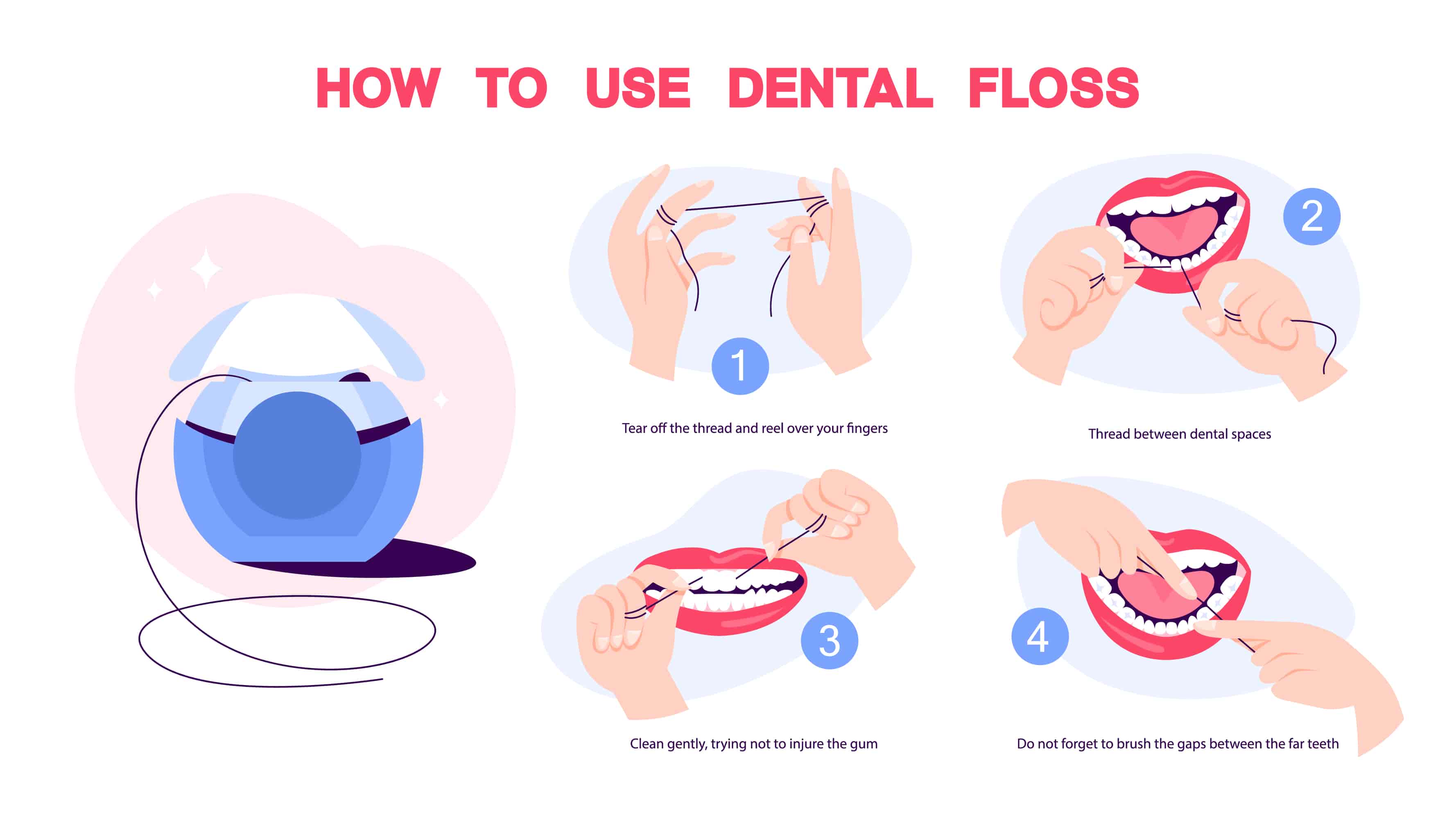
How to Floss Teeth Correctly (Step-by-Step)

If you’re asking, How do I floss properly?, follow these simple steps:

  1. Use about 45 cm of dental floss
    Wind most of it around your middle fingers, leaving a small section to work with.
  2. Guide the floss gently between teeth
    Avoid snapping it down, as this can irritate your gums.
  3. Curve the floss into a C-shape
    Wrap it around the side of one tooth and slide it gently under the gumline.
  4. Move the floss up and down
    Clean the side of the tooth thoroughly before moving to the next one.
  5. Use a clean section of floss for each tooth
    This prevents the spread of bacteria.

This technique is the foundation for using dental floss correctly and helps prevent gum irritation.

How to Floss Back Teeth Properly

Flossing your back teeth can feel tricky, but they’re just as important, if not more, than your front teeth.

To floss back teeth effectively:

  • Open your mouth wider for better access
  • Use your index finger to guide the floss
  • Be patient and work slowly
  • Consider floss picks if reaching the back molars is difficult

Learning how to floss back teeth properly can significantly reduce plaque buildup in hard-to-reach areas.

Are Bleeding Gums When Flossing Normal?

Bleeding gums when flossing is common, especially if you’ve recently started or haven’t flossed regularly.

Common reasons include:

  • Plaque buildup is causing gum inflammation
  • Gingivitis (early-stage gum disease)
  • Using too much force while flossing

If bleeding is mild, continue flossing daily, and your gums should improve within a week or two. However, persistent bleeding may indicate gum disease and should be checked by a dental professional.
Do You Floss Before or After Brushing?

One of the most frequently asked questions is: Do you floss before or after brushing?

Most dental professionals recommend flossing before brushing.

Here’s why:

  • Flossing removes debris between teeth first
  • Brushing afterwards helps wash away loosened plaque
  • Fluoride from toothpaste can better reach between teeth

That said, the most important thing is consistency, whether you floss before or after brushing, doing it daily matters most.

Is It Better to Floss With String or Water?

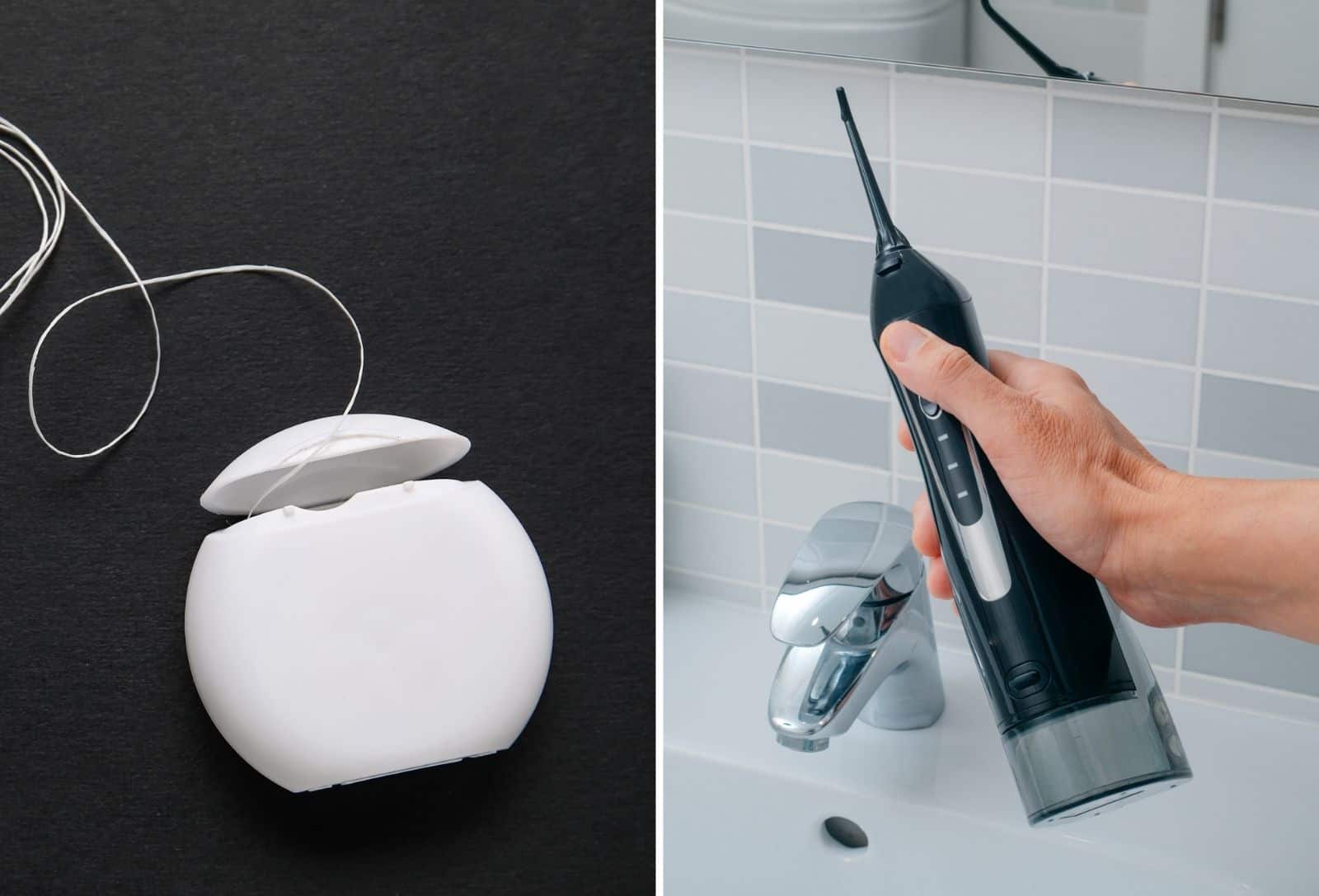
Another common question is whether water flossers are better than string floss.

String Floss

  • Excellent for removing plaque
  • Best for tight spaces between teeth
  • Requires proper technique

Water Flossers

  • Easier for people with braces, aligners, or dental work
  • Gentle on sensitive gums
  • Great for flushing out food debris

Ideally, string floss is more effective for plaque removal, but water flossers are a good alternative, especially if they help you floss more consistently. You may also find out about other types of floss to determine which one suits you best.

Flossing may seem like a small step, but it plays a major role in protecting your teeth and gums. Understanding how to floss teeth properly and choosing the right tools can prevent gum disease, reduce dental visits, and keep your smile healthy long-term. 

If you’re unsure about your flossing technique or experience ongoing gum issues, a dental professional can guide you with personalised advice. 

Whatsapp